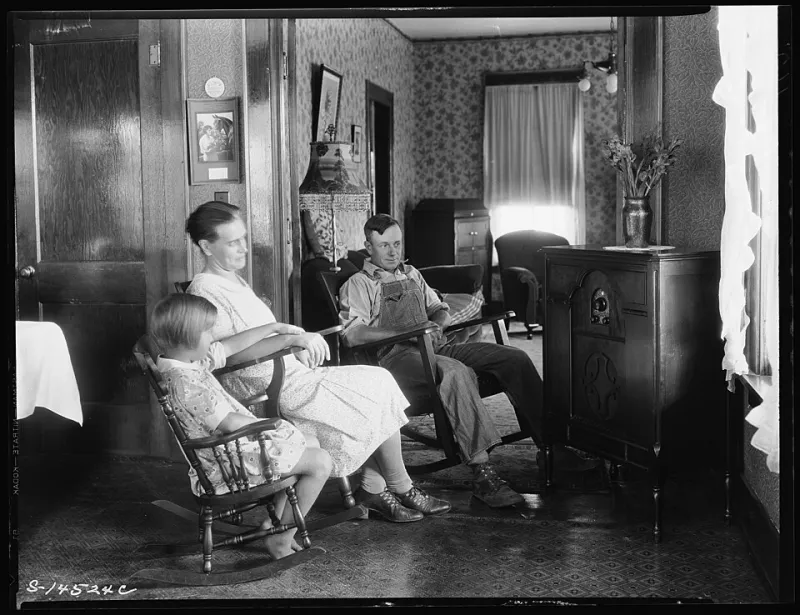
Photo: Unknown authorUnknown author or not provided, Public domain, via Wikimedia Commons
Somewhere in America right now, a song is playing that nobody is actually listening to. It's filling a kitchen while someone answers emails. It's in someone's earbuds on the subway, half-heard beneath the noise of the commute. It's the third track of an algorithmically generated playlist that the listener didn't choose and couldn't name. The music is there. The listening, in any meaningful sense, isn't.
This is not a complaint about modern music. The songs are often extraordinary. But the relationship Americans have with recorded music has changed so completely over the past few decades that it barely resembles what it used to be — and the loss is stranger and more significant than most people realize.
The Hi-Fi as Household Altar
When high-fidelity audio equipment became affordable to middle-class American families in the 1950s, something interesting happened. People started treating music listening as an event. The hi-fi set — a record player with a proper amplifier and speaker system — was a significant household purchase, often displayed prominently in the living room. And when you sat down to use it, you sat down to use it.
This was deliberate listening. You pulled the album from its sleeve carefully, placed it on the turntable, lowered the needle, and then you paid attention. The whole family might gather. Conversation stopped. Some households treated a new album the way others treated a new film — something to experience together, from beginning to end, without interruption.
The album format itself reinforced this. Artists and producers in the 1960s and 1970s began constructing records as unified experiences — side one, side two, each track sequenced intentionally to build toward something. Think of the way Abbey Road's second side flows as a continuous medley, or how Dark Side of the Moon was designed to be heard as a single unbroken arc. These weren't just collections of songs. They were arguments, journeys, things with a beginning and an end.
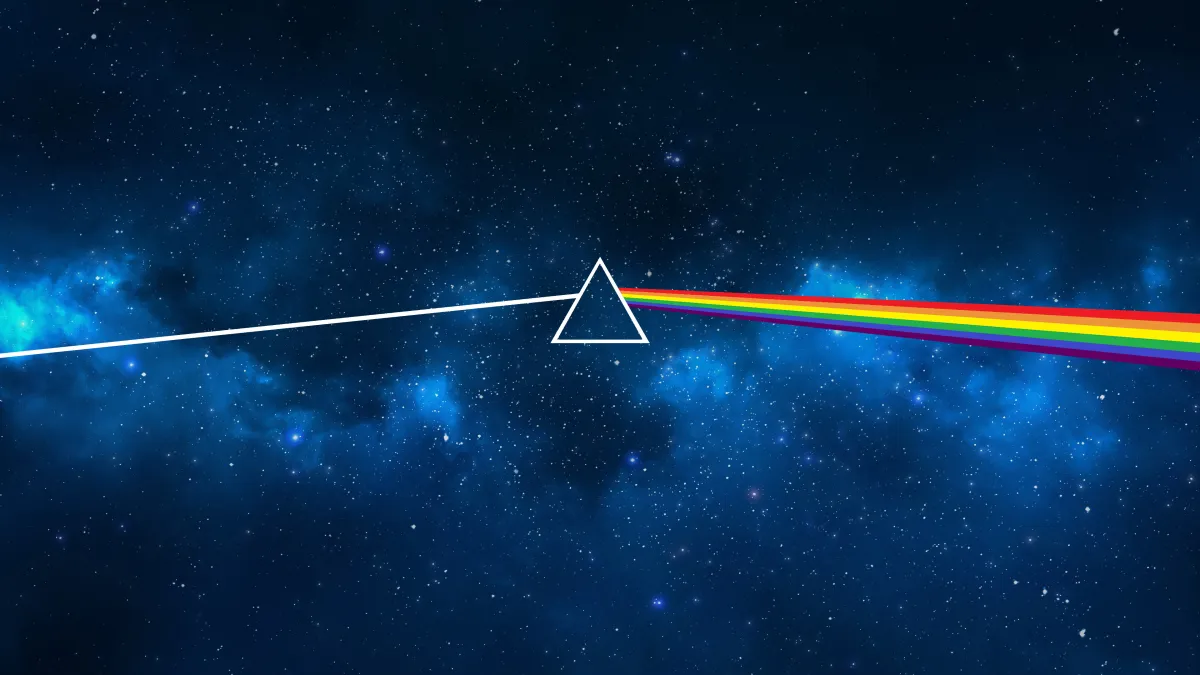 Photo: Dark Side of the Moon, via getwallpapers.com
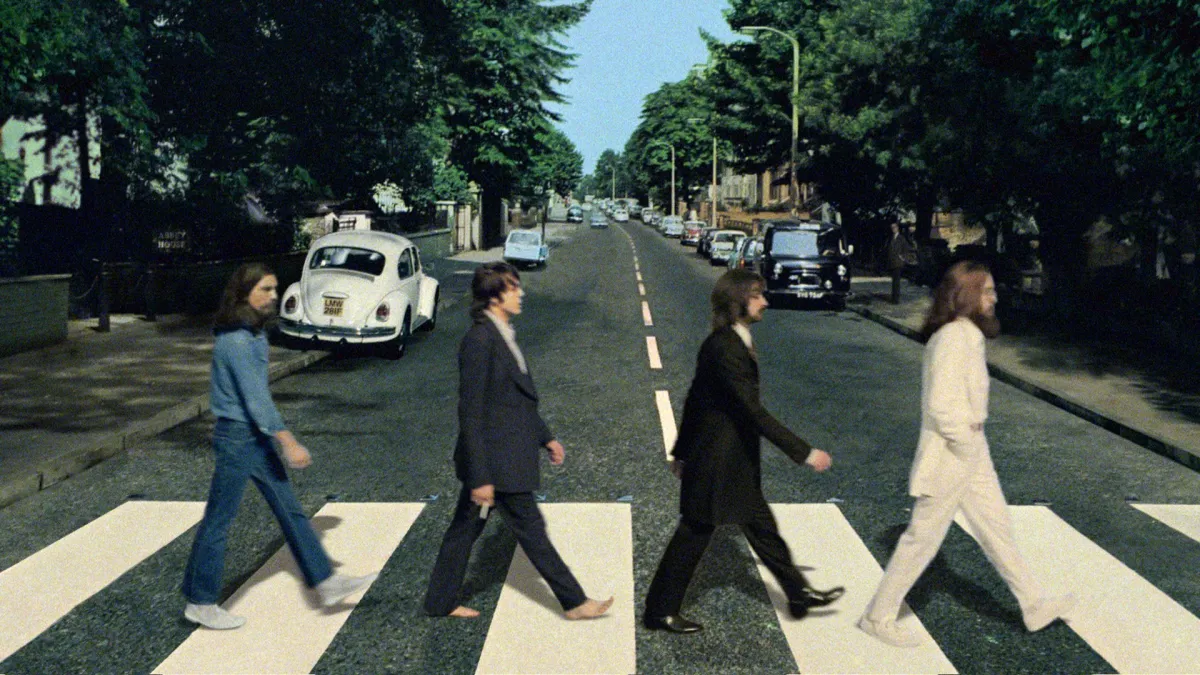 Photo: Abbey Road, via cdn.wallpapersafari.com
Listening to them any other way would have felt like reading a novel by flipping to random pages.
The Liner Notes You Actually Read
There was another dimension to this that's easy to forget: the physical album was an object worth spending time with. Twelve-inch sleeves gave artists and designers real estate to work with. Some liner notes ran to thousands of words — essays, lyrics, credits, photographs, thank-yous that read like personal letters.
People read them. Not as a chore, but because the music made you curious. Who played that guitar part? Where was this recorded? What was the songwriter thinking about when he wrote that line? The album sleeve answered those questions, and the answers deepened the listening.
This created a particular kind of relationship with music — intimate, informed, and slow. You knew the records you loved in a way that went beyond casual familiarity. You knew the personnel, the producers, the studios. You knew which tracks were recorded live and which were overdubbed. The music was something you inhabited, not something that inhabited your background.
The Walkman Cracked the Door
The first real shift came with the Walkman in 1979. Suddenly music was portable and private — something you could carry into the world rather than something that anchored you to a room. This was genuinely liberating, and nobody should pretend otherwise. But it also began the long process of turning listening into an accompaniment rather than an activity.
The CD era brought the shuffle function and the ability to program track orders, which quietly undermined the album as a sequential experience. The MP3 era shattered it entirely. When iTunes let you buy a single track for 99 cents, the album ceased to be the natural unit of music consumption for millions of people. Why buy the whole record when you only wanted the two songs you'd heard on the radio?
Streaming finished the transformation. Spotify's model — unlimited access to virtually everything ever recorded, organized by mood, activity, and algorithmic recommendation — is almost perfectly designed to prevent the kind of deep, focused listening that defined the hi-fi era. The playlist replaced the album. The algorithm replaced the artist's sequence. And music, for most people most of the time, became something that plays while you do something else.
What the Shuffle Lost
None of this means modern listeners don't care about music. Plenty of people are passionate about it in ways that would have been recognizable to any record collector of the 1970s. Vinyl sales have actually grown steadily for nearly two decades — a genuine cultural counter-movement driven partly by nostalgia and partly by a real hunger for the deliberate listening experience that a turntable demands.
But for the average American, music has become ambient. It's there, constantly, in the background of everything — and because it's always available, it's rarely the main event. The scarcity that once made a new album feel like an occasion is gone. So is the physical ritual of handling a record, reading the sleeve, and committing to the experience the artist designed.
There's a particular kind of attention that music rewards when you give it fully. Lyrics you've heard a hundred times reveal themselves differently when you're not simultaneously checking your phone. An instrumental passage that always blurred into background resolves into something specific and surprising. The album's architecture — the way a quiet track prepares you for something loud, the way a reprise of an earlier theme lands differently at the end — becomes visible when you're actually following the sequence.
That experience is still available. It just requires a deliberate choice that previous generations made automatically, because the technology gave them no alternative.
Pressing Play on Purpose
The hi-fi living room is mostly gone. The ritual of sitting down to listen — really listen, with nothing else competing for your attention — has become something you have to actively choose in a world that would prefer you to let the algorithm decide.
But the music hasn't changed. Albums designed to be heard front to back still reward that listening. The liner notes are still there, digitized and searchable. The attention is still available, if you're willing to set the phone face-down for forty minutes and just let the record play.
It turns out the music sounds different when you're actually in the room with it.