When Help Wanted Signs Actually Found Workers: How Job Hunting Became a Digital Maze

In 1973, if you needed a job in America, you put on your best clothes and walked downtown. Store windows displayed simple cardboard signs: "Help Wanted," "Now Hiring," or "Cashier Needed — Apply Within." You pushed open the door, asked to speak with the manager, and often walked out with a job the same day.
Today, that same position requires navigating online portals, uploading multiple file formats, answering personality questionnaires, and waiting weeks for an automated rejection email — if you hear anything at all.
The Personal Touch of Hiring
For most of the 20th century, getting hired was a fundamentally human process. Local businesses posted jobs in their windows, ran classified ads in the daily newspaper, or relied on word-of-mouth recommendations. The factory foreman knew the neighborhood families. The store manager could size up an applicant's character in a ten-minute conversation.
"My dad got his job at the steel mill by showing up at 6 AM and asking if they needed help," recalls Maria Santos, whose father worked for Bethlehem Steel for thirty years. "The supervisor looked at his hands, asked if he could lift heavy things, and told him to come back Monday morning."
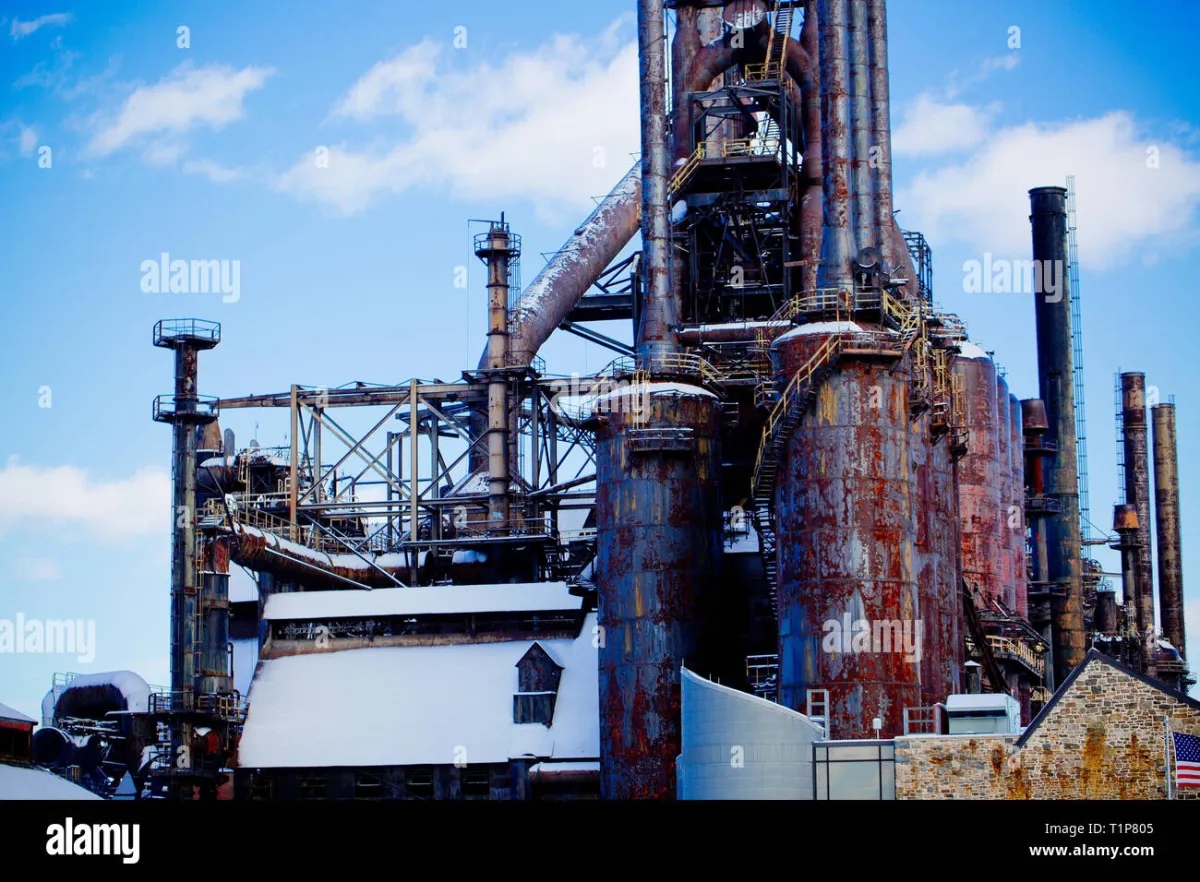 Photo: Bethlehem Steel, via www.alamy.com
This direct approach worked because businesses were smaller, more local, and managers had real authority to make hiring decisions on the spot. A handshake sealed the deal. References meant calling your previous boss, not running background checks through third-party companies.
The Rise of the Application Industrial Complex
Somewhere between the 1980s and today, job hunting became an elaborate production. What changed? First, companies grew larger and more bureaucratic. Human resources departments emerged as gatekeepers, creating standardized processes to manage hundreds of applications.
Then came the internet. Job boards like Monster.com promised to revolutionize hiring by connecting millions of workers with thousands of opportunities. Instead, they created a new problem: application overload. Suddenly, posting a job online generated hundreds of responses, forcing companies to develop filtering systems.
 Photo: Monster.com, via pics.craiyon.com
Today's applicant tracking systems (ATS) scan resumes for keywords before human eyes ever see them. A perfectly qualified candidate can be rejected automatically because their resume doesn't contain the exact phrase "customer service" instead of "client support."
The Numbers Tell the Story
Consider these shifts: In 1979, the average job seeker applied to fewer than five positions before getting hired. Today, career experts recommend applying to 10-15 jobs per week. The average corporate job posting receives 250 applications, but only 4-6 candidates get interviewed.
Meanwhile, time-to-hire has stretched from days to months. What used to be a quick conversation followed by "when can you start?" now involves multiple interview rounds, skills assessments, reference checks, and committee decisions.
What We Lost in Translation
The old system wasn't perfect — it often excluded women and minorities through informal networks and unspoken biases. But it did offer something today's job market lacks: immediate feedback and genuine human connection.
"You knew where you stood," explains retired hiring manager Bob Chen, who worked for various Chicago manufacturers from 1965 to 2000. "If someone wasn't right for the job, we told them directly. If they were good, they knew it immediately. Nobody wondered if their application disappeared into some black hole."
Today's job seekers describe feeling like they're "shouting into the void." They customize cover letters for specific companies, only to receive form rejection emails months later. The personal relationship between employer and employee begins with algorithms and anonymity.
The Irony of More Options
Paradoxically, while technology promised to democratize job searching by giving everyone access to more opportunities, it may have made finding work harder for average Americans. Online job boards are flooded with postings for positions that don't exist, companies fishing for market research, and recruiters building candidate databases.
The "spray and pray" approach — sending the same resume to dozens of companies — replaced the targeted, personal approach of walking into businesses where you actually wanted to work. Instead of building relationships with local employers, job seekers compete in a global talent pool where standing out requires increasingly elaborate strategies.
A Different Kind of Efficiency
Modern hiring advocates argue that digital systems are more efficient and fair. They eliminate geographic barriers, reduce bias through standardized processes, and help companies find specialized talent. These benefits are real, especially for professional and technical positions.
But efficiency isn't the only value that matters. The old system fostered community connections, gave people immediate clarity about opportunities, and allowed for the kind of gut-level judgment calls that sometimes spotted hidden potential in unlikely candidates.
Some forward-thinking companies are rediscovering the power of personal connection. They're hosting job fairs, conducting walk-in interviews, and empowering managers to make faster hiring decisions. It turns out that in our rush to optimize everything, we may have optimized away the human element that made hiring work for generations.
The next time you submit an online application and wonder why you never heard back, remember: there was once a time when getting a job meant looking someone in the eye, shaking their hand, and knowing exactly where you stood before you walked out the door.