Aisle by Aisle: When Grocery Shopping Built Community Instead of Avoiding It
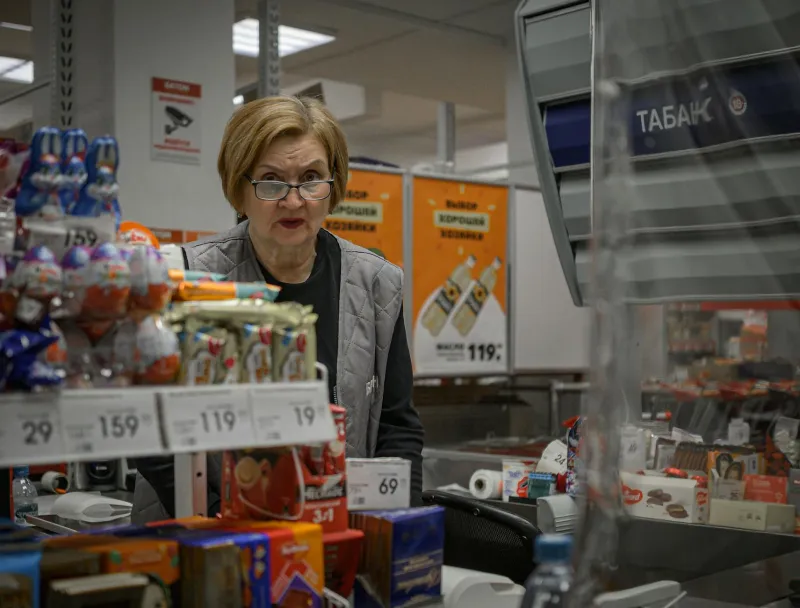
Every Saturday morning in 1965, Dorothy Chen wheeled her cart through Piggly Wiggly knowing she'd spend at least an hour inside — not because shopping was inefficient, but because it was social. She'd catch up with neighbors in the cereal aisle, get cooking tips from the butcher, and let her children pick out treats while chatting with Mrs. Rodriguez from down the street.
 Photo: Piggly Wiggly, via images.cassivalen.com
Today, Dorothy's granddaughter orders groceries from her phone and has them delivered within two hours. She's never spoken to a store employee beyond "paper or plastic?" and can complete an entire shopping trip without making eye contact with another human being.
The American supermarket has achieved remarkable efficiency, but somewhere along the way, it stopped being a place where communities gathered and became just another errand to optimize away.
The Golden Age of Grocery Theater
Postwar America's supermarkets were designed as community spaces. Wide aisles encouraged lingering. Butchers, bakers, and produce managers weren't just employees — they were neighborhood experts who knew their customers' preferences and family situations.
"Mr. Kowalski knew that my mother was trying to watch her cholesterol, so he'd set aside the leanest cuts when the truck came in," remembers Chicago native Robert Murphy, whose family shopped at the same A&P for twenty years. "The checkout girls knew we had five kids, so they'd automatically double-bag the heavy stuff and pack the bread on top."
These relationships weren't just pleasant conveniences — they were economic partnerships. Butchers would explain how to prepare unfamiliar cuts, produce managers would recommend when fruits would be perfectly ripe, and experienced shoppers would share money-saving strategies with newcomers.
The Choreography of Connection
Shopping patterns themselves fostered community interaction. Most families shopped once or twice per week, creating predictable rhythms that brought neighbors together. Saturday morning grocery runs became informal social events where people lingered, compared notes on sales, and coordinated carpools for the week ahead.
Checkout lines, now viewed as inefficiencies to be eliminated, served as natural conversation starters. Strangers would comment on each other's purchases, share recipes, or commiserate about rising prices. The forced waiting time created space for human connection that our current grab-and-go culture eliminates.
"You knew who was having a dinner party by what was in their cart," laughs former supermarket cashier Beverly Washington, who worked the same register at a Baltimore Safeway for thirty years. "People would ask for advice about wine pairings or how much potato salad to buy for twenty people. I probably helped plan half the neighborhood gatherings."
When Service Meant Relationship
The full-service model that dominated mid-century supermarkets created multiple opportunities for meaningful interaction. Baggers weren't just packing groceries — they were often local teenagers whose families you knew, creating intergenerational connections that strengthened community bonds.
Meat counters required conversation. Customers had to describe what they were cooking, how many people they were feeding, and their budget constraints. This back-and-forth educated shoppers about different cuts, cooking methods, and meal planning while building personal relationships with store staff.
Even the physical layout encouraged community building. Wider aisles accommodated baby strollers and shopping carts side-by-side, making it easy for neighbors to stop and chat. Central customer service desks served as informal community bulletin boards where people shared information about local events, recommendations, and neighborhood news.
The Efficiency Revolution
The transformation began in the 1990s with a focus on speed and convenience. Barcode scanners accelerated checkout times. Self-service options reduced labor costs. Express lanes promised to get busy shoppers in and out faster than ever.
Each innovation solved a real problem but also eliminated opportunities for human connection. Self-checkout kiosks removed the need to interact with cashiers. Pre-packaged meats eliminated conversations with butchers. Online ordering systems replaced the serendipitous discoveries that happened while browsing.
"Everything became about throughput," explains retail analyst Sarah Martinez, who studies supermarket design trends. "Stores measured success by transactions per hour, not customer satisfaction or community engagement. The goal shifted from serving people to processing them."
The Algorithm Knows What You Want
Today's grocery experience is increasingly personalized but paradoxically impersonal. Apps track your purchase history and suggest products you might like. Loyalty programs offer customized discounts based on your shopping patterns. Digital coupons automatically apply at checkout.
This technological sophistication delivers convenience but eliminates the human element that once made grocery shopping a rich social experience. Instead of asking the produce manager which apples are sweetest this week, shoppers rely on star ratings and online reviews from strangers.
"My grocery app knows I buy organic milk every Tuesday, but nobody at the store knows my name," observes suburban mother Jennifer Park. "It's efficient, but it's also kind of lonely. I miss the random conversations I used to have while shopping."
The Pandemic Acceleration
COVID-19 accelerated trends that had been building for decades. Contactless shopping went from convenience to necessity. Grocery delivery and pickup services exploded as Americans sought to minimize in-store time. Many customers who discovered these services during lockdowns never went back to traditional shopping.
The result is a generation of Americans who view grocery stores as warehouses rather than community spaces. They optimize for speed and convenience rather than discovery and connection. The weekly grocery run that once anchored neighborhood social life has become another task to be completed as efficiently as possible.
What Efficiency Costs
The benefits of modern grocery shopping are undeniable. Online ordering saves time. Self-checkout reduces wait times. Delivery services help elderly and disabled customers access fresh food. These innovations solve real problems and improve many people's lives.
But they also represent the loss of one of American daily life's last remaining shared rituals. Grocery stores were among the few places where people from different economic backgrounds, age groups, and social circles regularly interacted as equals. They provided informal networks of support, information sharing, and community building that online platforms struggle to replicate.
"We've gained convenience but lost connection," observes sociologist Dr. Amanda Foster, who studies community spaces. "Shopping used to be inherently social. Now it's increasingly solitary. We're more efficient but more isolated."
The Human Element Endures
Some grocery chains are recognizing what's been lost and working to restore human connection. Whole Foods markets emphasize knowledgeable staff who can offer cooking advice. Trader Joe's built its brand around friendly, chatty employees who make shopping feel personal again. Local co-ops and farmers markets provide alternatives to the sterile efficiency of corporate supermarkets.
These efforts represent a recognition that pure efficiency isn't the only value that matters. Sometimes the longer path through the store, the conversation with the deli counter worker, or the chance encounter with a neighbor in the frozen food aisle is worth more than the few minutes it might cost.
The American supermarket's evolution from community gathering place to efficient transaction hub mirrors broader changes in how we structure daily life. We've gained speed and convenience but lost opportunities for the small, regular interactions that once wove communities together. Whether that trade-off was worth it depends on what we value more: getting through our errands quickly or connecting with the people around us while we do them.