From Gym Auditorium to Prime Time: How Spelling Bees Stopped Being Fun
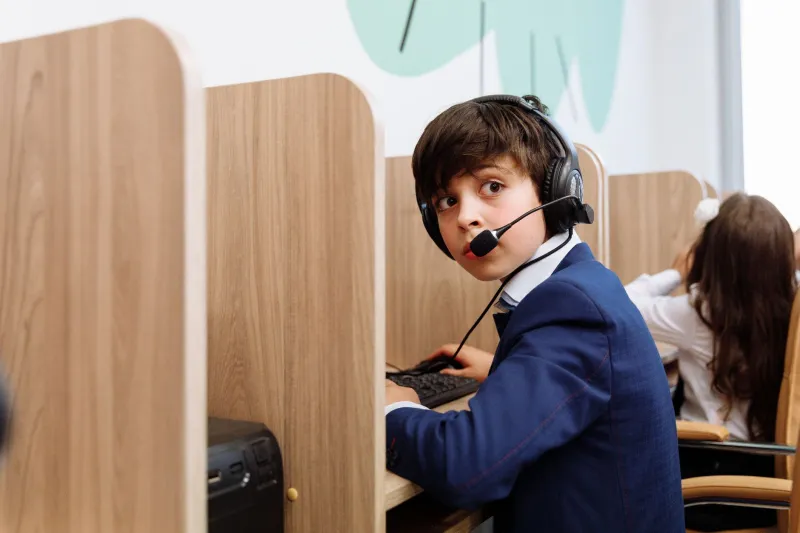
Picture a school gymnasium in 1974. Folding chairs, a hand-lettered banner, a teacher with a stack of index cards. A dozen nervous kids standing at the front in their best school clothes. Parents in the bleachers, chatting quietly. The winner goes home with a certificate and maybe a mention in the local paper. Life goes on.
Now picture the Scripps National Spelling Bee. ESPN broadcast. Dramatic music. Close-up camera shots of children visibly trembling. A Twitter hashtag. Kids who have been drilling Sanskrit roots since second grade, trained by coaches who specialize in nothing but competitive spelling. The winner becomes, briefly, a national celebrity.
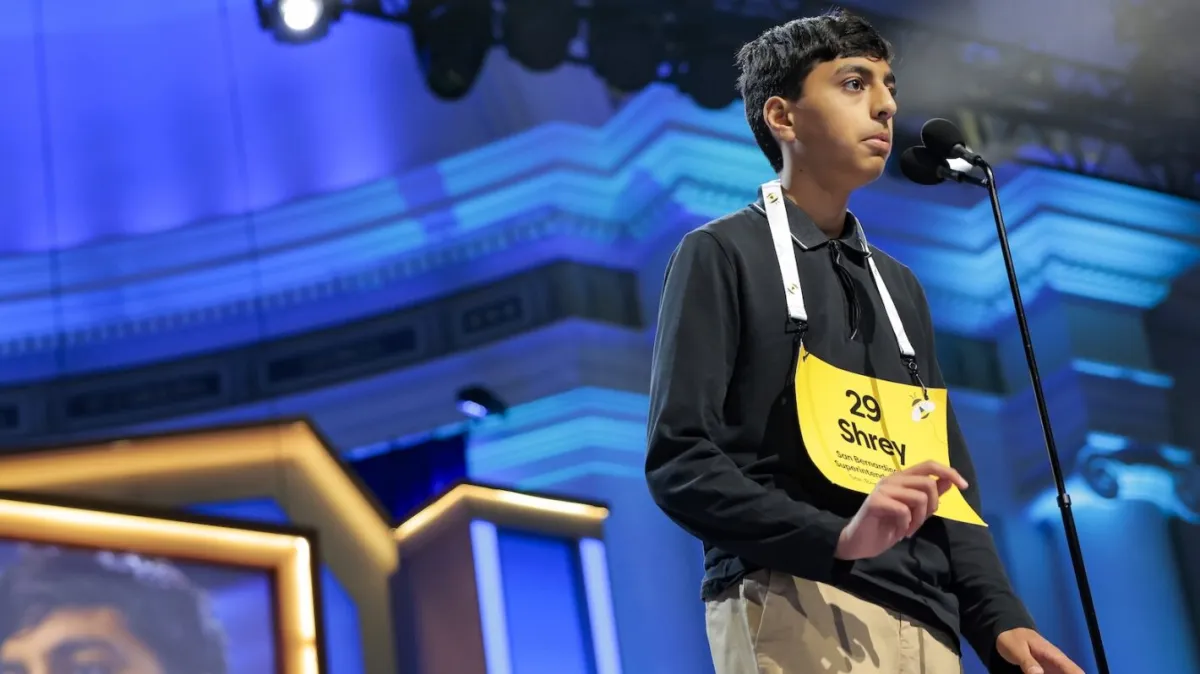 Photo: Scripps National Spelling Bee, via www.tvinsider.com
Both of these things are called a spelling bee. But they are almost completely different events.
What the Old Version Actually Looked Like
For most of the twentieth century, spelling competitions were exactly what they sounded like — low-stakes classroom events that rewarded kids who happened to love words. Schools held their own bees. Winners advanced to district rounds. A small number made it to regional competitions. It was genuinely casual, the kind of extracurricular activity that existed alongside science fairs and geography contests as a way to make learning slightly more interesting.
The National Spelling Bee has actually existed since 1925, so the competition itself isn't new. What changed was everything surrounding it. For decades, it was a quiet institution — respected but not obsessed over. Local newspapers covered the regional rounds. The national finals got a brief wire service mention. Kids who competed were considered bright and studious. That was about the extent of it.
There was no coaching industry. No specialized vocabulary trainers. No parents hiring consultants to map out a competition strategy for a nine-year-old. You either knew how to spell or you didn't, and the whole thing wrapped up before anyone had time to get too stressed about it.
When the Cameras Arrived, Everything Shifted
ESPN began broadcasting the Scripps National Spelling Bee in 1994. It was, at the time, considered a bit of an oddity — sports television covering an academic competition. But something unexpected happened: people watched. A lot of them. The drama of watching a child stand alone at a microphone, asking for the language of origin on a word they've never heard, turned out to be genuinely compelling television.
And once something becomes compelling television, the ecosystem around it changes fast.
Within a decade, a cottage industry had emerged. Books on spelling bee preparation. Online word lists with tens of thousands of entries. Tutors who specialized in etymology and phonetic pattern recognition. Families began treating regional competitions the way other families treated travel baseball — as a serious commitment requiring real investment of time and money.
The words themselves got harder, too. Organizers, aware that the competition now had a national audience expecting drama, pushed the vocabulary into increasingly obscure territory. Words derived from German, Hindi, Greek, and Arabic began appearing regularly. By the 2000s, the winning words were terms that most adults — including English teachers — had never encountered in their lives. "Cymotrichous." "Knaidel." "Marocain." Correct spelling required not just a good memory but a systematic study of linguistic origins that bordered on academic research.
The Pressure Behind the Podium
What gets lost in the spectacle is what this shift actually means for the children involved. Academic competitions were once a way for curious, bookish kids to find their people — a low-pressure environment where loving words or maps or science was something to celebrate rather than monetize.
Today, for families serious about national-level competition, the training regimen can look almost athletic in its intensity. Multiple hours of daily study. Systematic drilling of word lists that number in the hundreds of thousands. Regional qualifying competitions treated as stepping stones in a multi-year strategy. Some families have openly described the preparation as a part-time job — for the child.
None of this is inherently wrong. Kids who love competition and thrive under pressure can find genuine joy in that kind of focused pursuit. But it does represent a fundamental shift in what these events are actually for. A school spelling bee in 1965 existed to make learning feel exciting for ordinary kids. A national spelling bee in 2024 exists, at least partly, as a media event — and the preparation required to compete seriously reflects that reality.
Geography bees and science fairs followed similar trajectories. What were once modest celebrations of curiosity became tiered competitive structures with national finals, sponsorships, and the kind of adult investment that can quietly transform a child's hobby into a child's job.
What We Traded Away
There's something worth noticing in this shift, beyond the obvious observation that things got more intense. When academic competitions were small and local, they were genuinely accessible. The kid who won your school bee might have been a voracious reader from a working-class family who just happened to love words. The science fair ribbon might have gone to a kid who built something clever in her garage with her dad on weekends.
As these competitions scaled up and professionalized, they began to reward not just talent but access — access to coaching, to preparation materials, to families with the time and resources to invest in intensive training. The playing field, already uneven in most areas of American life, got a little more uneven here too.
The gymnasium is still there. The folding chairs, the nervous kids, the parents in the bleachers. At the local level, spelling bees still feel like what they always were. But somewhere above that level, something changed — and the change says something interesting about how Americans have come to think about childhood achievement, what it's for, and who it's really serving.
Sometimes a smart kid who loves words is just a smart kid who loves words. That used to be enough.