Every Kid Was a Star: When American Schools Gave Everyone a Curtain Call
When the Whole Town Showed Up
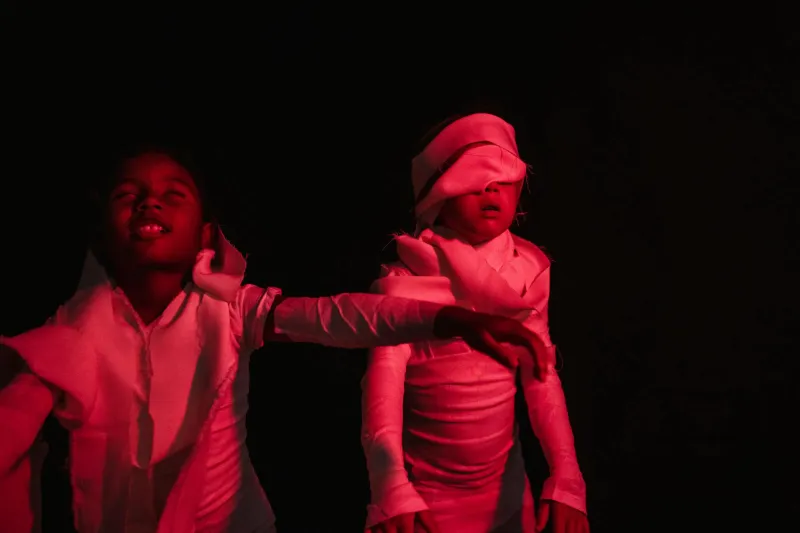
Every December, the gymnasium at Franklin Elementary would transform into something magical. Folding chairs arranged in neat rows, a makeshift stage constructed from wooden risers, and a backdrop painted by the art teacher depicting Bethlehem or a winter wonderland. By 7 PM, the room would be packed with parents, grandparents, siblings, and neighbors—all gathered to watch thirty second-graders stumble through "The Best Christmas Pageant Ever" or belt out slightly off-key renditions of "Silent Night."
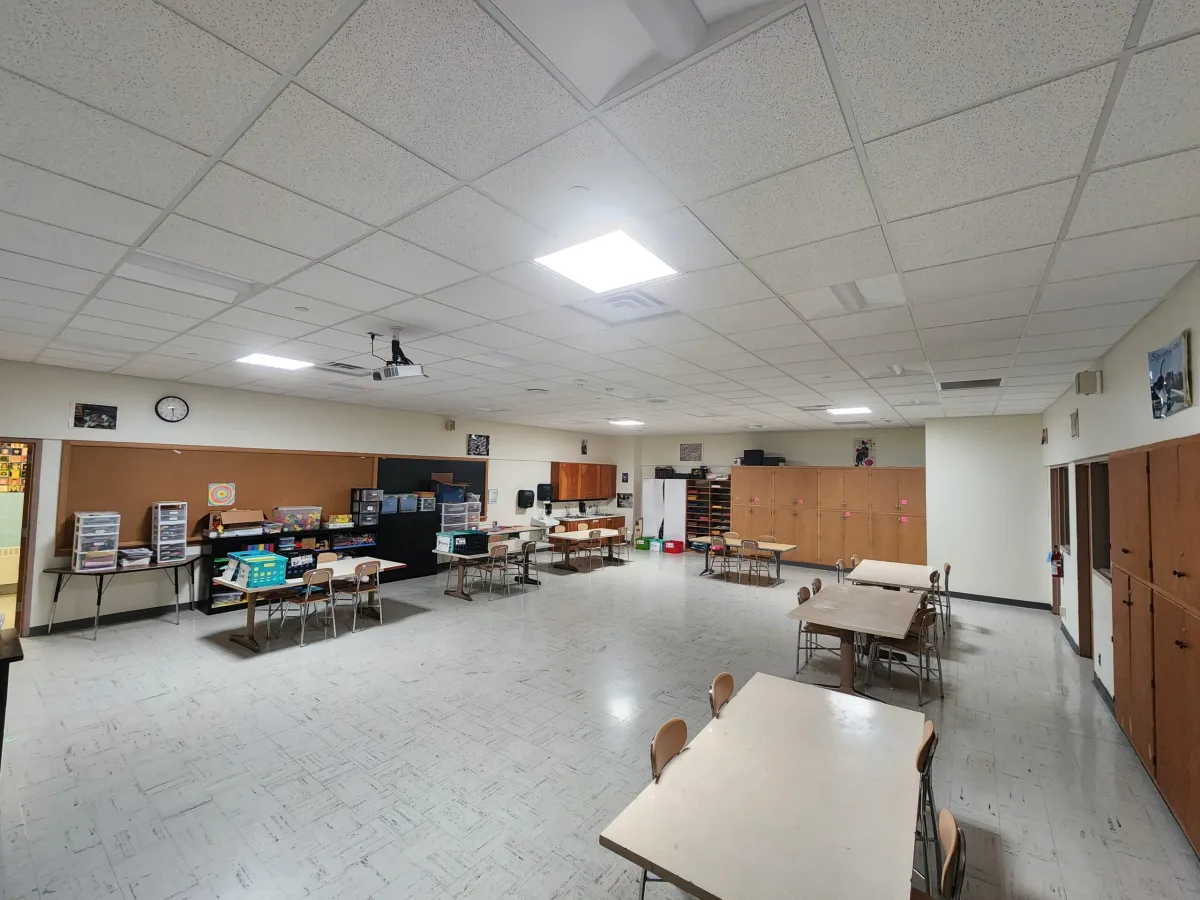 Photo: Franklin Elementary, via daylightspecialists.com
This wasn't Broadway, and everyone knew it. Kids forgot their lines, costumes fell apart mid-performance, and the music teacher frantically tried to keep the piano in sync with voices that wandered off-pitch. But none of that mattered. What mattered was that every single child in that school would, at some point during their elementary years, experience the thrill and terror of standing in front of an audience, wearing a costume, and being part of something bigger than themselves.
The school play was as fundamental to American childhood as recess or field trips. It wasn't reserved for the naturally talented or the dramatically inclined—it was simply what schools did. Third-graders became trees in the forest, fifth-graders played historical figures, and even the shyest kindergartener got to wear sheep ears and bleat on cue.
The Democracy of Drama
What made these productions special wasn't their artistic merit but their radical inclusivity. In an era before competitive everything, school plays operated on the principle that every child deserved a moment in the spotlight. The casting process wasn't about finding the best actor—it was about making sure Tommy, who struggled with reading, got to be a confident narrator, and that Sarah, who was painfully shy, discovered she had a lovely singing voice.
Mrs. Henderson, the music teacher at Jefferson Middle School, spent weeks working with kids who had never performed for anyone beyond their family dinner table. She taught them to project their voices, to stand up straight, to remember that the audience wanted them to succeed. For many children, especially those from families where performance and public speaking weren't encouraged, these productions provided their first taste of confidence and self-expression.
 Photo: Mrs. Henderson, via ntvb.tmsimg.com
The preparation was as important as the performance itself. Kids learned to memorize lines, to work together as an ensemble, and to handle the anxiety of public performance. They discovered that making mistakes wasn't the end of the world—the show literally went on. They experienced the unique satisfaction of contributing to something that brought joy to their entire community.
When Budget Cuts Took Center Stage
The decline began quietly in the 1980s and accelerated dramatically after the No Child Left Behind Act of 2001. As schools faced increasing pressure to improve standardized test scores, arts programs became viewed as expendable luxuries rather than essential components of education. Music and drama teachers were often the first to go when budgets tightened, their positions eliminated or consolidated across multiple schools.
The logic seemed sound: reading and math scores needed improvement, so schools should focus on reading and math. Time spent rehearsing for the spring musical could be better used for test preparation. Arts programs didn't contribute to the metrics by which schools were increasingly judged, so they gradually disappeared from many schools entirely.
Parents, initially supportive of efforts to improve academic performance, didn't immediately recognize what was being lost. The annual school play seemed like a nice tradition, not an essential educational experience. Only later would they realize that their own children were growing up without the confidence-building, community-creating experience they had taken for granted.
The New Performance Landscape
Today's children face a dramatically different reality. Arts programs that do survive have often become increasingly selective and competitive. Instead of every child getting a part in the school play, auditions determine who makes the cut for the advanced drama club or the elite children's choir. What was once a universal experience has become another arena for academic and artistic competition.
Meanwhile, children's primary performance outlet has shifted to social media platforms where they create content for audiences of strangers rather than communities of people who know and support them. TikTok dances and YouTube videos have replaced the school auditorium as the stage where kids seek validation and express creativity.
The difference is profound. The school play taught children to work together toward a shared goal, to handle nervousness in a supportive environment, and to experience the unique joy of live performance. Social media performance is often solitary, focused on individual achievement, and subject to the harsh judgment of anonymous audiences.
What We Lost When the Curtain Fell
The elimination of universal school productions represents more than just budget cuts—it reflects a fundamental shift in how America thinks about childhood and education. The school play embodied values that seem almost quaint today: the idea that every child has something to contribute, that community events matter, that learning happens through joy and creativity as well as through drilling and testing.
These productions taught children lessons that can't be measured on standardized tests but are essential for developing confident, creative adults. They learned to speak in public, to handle pressure, to support their peers, and to take creative risks. They experienced the satisfaction of months of preparation culminating in a shared moment of accomplishment.
For parents and community members, school plays provided a window into their children's development and a reason to come together as a community. In an era of increasing social fragmentation, these events created shared experiences that connected families across economic and social divisions.
The Quiet Revolution We Didn't Notice
The transformation happened so gradually that many Americans didn't realize how dramatically childhood had changed until they found themselves trying to explain to their own children what school plays used to be like. The idea that every kid once got a costume, learned some lines, and stood on a stage in front of their entire community sounds almost utopian to parents whose children's schools have been stripped of arts programming.
What replaced the school play wasn't necessarily better academic programming—it was often just more time spent preparing for tests that measure a narrow range of skills. In our effort to ensure that no child was left behind academically, we may have left an entire generation behind creatively and emotionally.
The universal school play represented something precious about American childhood: the belief that every kid deserved a moment to shine, that learning should include joy and creativity, and that schools should serve not just individual achievement but community building. In losing these productions, we've lost more than entertainment—we've lost a piece of what once made childhood magical and education meaningful for every child, not just the academically gifted or artistically talented.