When Sofas Survived Generations: The Death of Furniture That Lasted Forever
The Table That Witnessed History
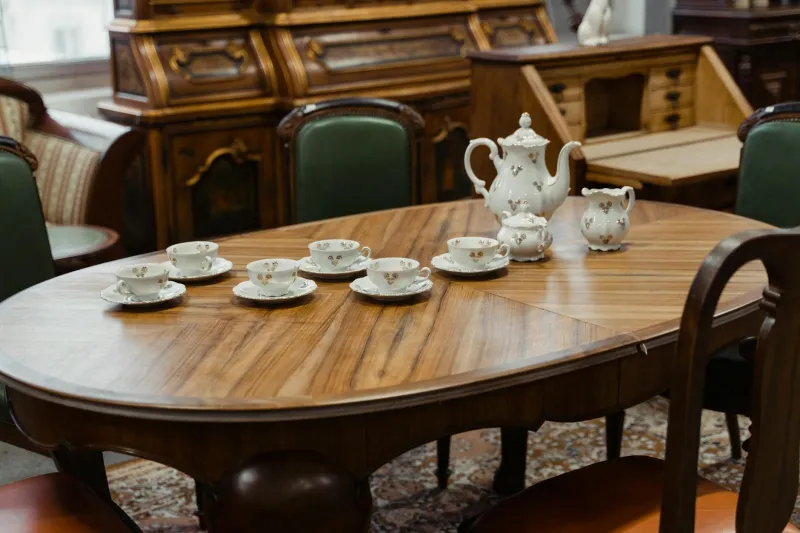
In the corner of Janet Morrison's dining room sits a mahogany table that has served Thanksgiving dinner to four generations of her family. Built in 1923 by a furniture maker named Henrik Larsen in Grand Rapids, Michigan, it's made from a single piece of wood that was already fifty years old when Larsen shaped it with hand tools that his father had brought from Denmark.
 Photo: Grand Rapids, Michigan, via wwmt.com
The table bears the scars of nearly a century of use: ring marks from countless coffee cups, scratches from homework sessions, and a small burn mark where Janet's grandfather once rested a hot pan. Each mark tells a story, and the table itself has become a family historian — present for birthday celebrations, holiday meals, difficult conversations, and quiet Sunday mornings.
This wasn't remarkable furniture when it was made. It was just furniture, built the way all furniture was built: to last.
Today, that same table would cost approximately $8,000 to recreate with similar materials and craftsmanship. Most Americans instead buy dining sets that cost $400 and are designed to last about five years.
When Furniture Was Forever
For most of American history, furniture represented one of a family's most significant investments after their home. A dining room set, bedroom suite, or living room furniture wasn't just functional — it was a statement about permanence, quality, and family aspirations. People saved for months to buy a single piece, and they expected it to serve their children and grandchildren.
The furniture industry reflected this mindset. Companies like Ethan Allen, Drexel, and Pennsylvania House built their reputations on solid wood construction, traditional joinery techniques, and finishes that could be refinished rather than replaced. Furniture stores employed salespeople who understood wood grain, joint construction, and finishing techniques because customers demanded that level of expertise.
Most furniture was built using mortise-and-tenon joints, dovetail drawers, and solid wood construction. These weren't luxury features — they were standard. The idea of particle board furniture held together with metal brackets and glue would have seemed absurd to furniture makers of the early 20th century.
The Craftsmanship Culture
American furniture making in the early-to-mid 1900s was dominated by skilled craftspeople who learned their trade through apprenticeships lasting several years. Cities like Grand Rapids, Michigan, and High Point, North Carolina, became furniture capitals not because of cheap labor or efficient factories, but because they attracted the best woodworkers and developed cultures of craftsmanship.
 Photo: High Point, North Carolina, via i.pinimg.com
These craftspeople understood wood as a living material. They knew how different species aged, how grain patterns affected strength, and how to work with wood's natural characteristics rather than against them. A skilled furniture maker could look at a piece of oak or maple and envision how it would look and perform fifty years later.
The result was furniture that often improved with age. Solid wood developed patina and character over time. Well-made joints actually grew stronger as the wood settled. Quality finishes could be refreshed and renewed, allowing pieces to adapt to changing styles while maintaining their structural integrity.
When Buying Meant Inheriting
Families approached furniture purchases with the assumption that they were buying for multiple generations. Wedding gifts often included bedroom sets or dining room furniture that couples would use for their entire married lives and then pass to their children. Estate sales were major community events where families could acquire quality pieces that might last another lifetime.
This created a different relationship with possessions. Furniture wasn't just functional — it was part of family identity. A grandmother's rocking chair, a father's desk, or a family dining table carried emotional weight that went far beyond their practical value. Moving meant carefully transporting these pieces, not abandoning them for new ones.
The secondary market for furniture was robust and respected. Antique shops weren't just selling curiosities — they were offering functional pieces that often surpassed new furniture in quality. Refinishing and reupholstering were common skills, and most communities had craftspeople who specialized in restoring and updating quality pieces.
The Great Furniture Transformation
The shift began in the 1970s and accelerated through the following decades. Several forces combined to transform American furniture culture: the rise of global manufacturing, changing lifestyle patterns, evolving housing markets, and shifting consumer priorities.
Global manufacturing made it possible to produce furniture at dramatically lower costs, but this required new construction techniques. Traditional joinery was replaced by mechanical fasteners and adhesives. Solid wood gave way to engineered materials like particle board and medium-density fiberboard (MDF). These materials could create furniture that looked good initially but weren't designed for long-term durability.
Simultaneously, American lifestyles became more mobile. The average person now moves 11 times during their lifetime, compared to 5 times in 1950. This mobility made heavy, permanent furniture less practical. Why invest in a solid oak dining table if you might move to a smaller apartment next year?
The Rise of Disposable Design
Today's furniture industry operates on fundamentally different principles than its predecessors. Companies like IKEA have built global empires on the concept of "good enough" furniture — pieces that serve their function adequately for a reasonable period at an affordable price. The assumption isn't that furniture will last forever, but that it will last long enough.
This shift reflects broader changes in how Americans think about possessions. In an era of rapid technological change and evolving design trends, permanence can feel like a burden rather than a benefit. Why commit to a style for decades when tastes change every few years?
The numbers tell the story: the average American now replaces their living room furniture every 7-10 years and their bedroom furniture every 10-15 years. In 1950, those numbers were 25-30 years and 40+ years respectively. We've traded durability for flexibility, craftsmanship for convenience.
What We Lost in the Exchange
The environmental impact of disposable furniture is staggering. Americans throw away 12 million tons of furniture annually — most of it ending up in landfills because particle board and composite materials can't be easily recycled or repurposed. The solid wood furniture of previous generations could be refinished, repurposed, or even burned for fuel at the end of its very long life.
But the loss goes beyond environmental concerns. The culture of heirloom furniture represented a different relationship with time and permanence. When you bought furniture expecting it to outlast you, you made different choices. You prioritized quality over trends, substance over style. You developed emotional attachments to objects that became part of your family's story.
Modern furniture, no matter how well-designed, rarely develops the character and meaning that comes from decades of use. A dining table that's replaced every few years can't accumulate the memories and associations that make objects meaningful beyond their function.
The Craft Revival
Interestingly, there's growing awareness of what we've lost. A new generation of furniture makers is reviving traditional techniques, and consumers are increasingly interested in quality over quantity. The "buy it for life" movement encourages purchasing fewer, better things that will last longer and perform better over time.
Some furniture companies are responding by offering pieces that bridge old and new approaches — solid wood construction with modern design, traditional joinery with contemporary finishes. But these pieces often cost significantly more than their disposable alternatives, making them accessible primarily to affluent consumers.
The True Cost of Cheap
When you calculate the total cost of ownership, quality furniture often proves more economical than its disposable alternatives. A $2,000 solid wood dining table that lasts 50 years costs $40 per year. A $400 table that lasts 5 years costs $80 per year. But our consumer culture prioritizes upfront costs over lifetime value, making the cheaper option more attractive despite its higher long-term cost.
This reflects a broader shift in how Americans think about time and investment. In an era of rapid change and economic uncertainty, long-term thinking has given way to short-term flexibility. We've optimized for mobility and adaptability at the cost of permanence and quality.
The mahogany table in Janet Morrison's dining room represents more than just superior craftsmanship — it embodies a different philosophy about the relationship between people and their possessions. Whether American culture can rediscover the value of permanence in an age of disposability remains an open question, but the growing piles of particle board furniture in our landfills suggest we might want to reconsider what we've gained and lost in this great exchange.