From Fountain to Filter: How America Lost Faith in the Simple Glass of Water
The Age of Liquid Confidence
In 1955, drinking a glass of water was perhaps the most unremarkable act in American daily life. You turned the kitchen faucet, filled your glass, and drank without hesitation. The idea of purchasing water in individual plastic bottles would have seemed as absurd as buying air in jars. Municipal tap water wasn't just safe—it was a symbol of American progress and technological superiority.
Post-war America had invested heavily in water infrastructure as part of the broader project of building a modern society. Cities from coast to coast installed sophisticated treatment plants, laid thousands of miles of pipes, and hired armies of engineers to ensure clean water flowed reliably to every home. The federal Safe Drinking Water Act of 1974 established national standards that made American tap water among the safest in the world.
Families gathered around dinner tables with pitchers of ice water. School children lined up at drinking fountains without concern. Restaurants automatically served tap water with every meal, and customers never questioned its quality or safety. Water was simply there, clean and abundant, flowing from the infrastructure that defined American prosperity.
The Cracks in the Foundation
The erosion of trust began slowly, then accelerated dramatically. The first major blow came in the 1970s and 1980s when industrial contamination stories began making national headlines. Love Canal, Times Beach, and other environmental disasters revealed that even sophisticated treatment systems could be overwhelmed by chemical pollutants that regulators had never anticipated.
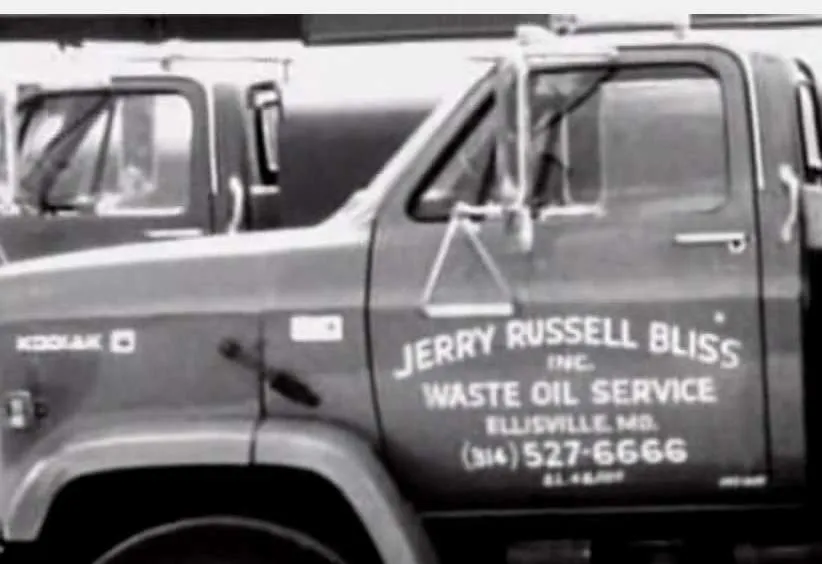 Photo: Times Beach, via www.worldabandoned.com
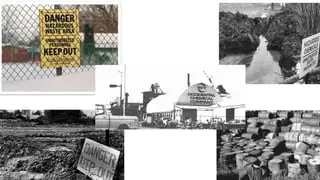 Photo: Love Canal, via image.slidesharecdn.com
Simultaneously, aging infrastructure began showing its limitations. Pipes installed in the 1940s and 1950s started reaching the end of their useful lives, leading to contamination from lead service lines and deteriorating distribution systems. Cities that had proudly built water systems as symbols of progress found themselves unable to afford the massive investments needed to maintain and upgrade them.
The marketing genius of the bottled water industry recognized this growing unease and amplified it into a full-scale crisis of confidence. Companies like Perrier and Evian positioned their products not as luxury items but as necessary health precautions. Television advertisements subtly suggested that tap water was somehow primitive or unsafe compared to water that had been "purified" and packaged.
When Convenience Became Necessity
By the 1990s, bottled water had transformed from a niche product to a mainstream necessity. Americans began carrying individual water bottles as routine accessories, treating hydration as a personal responsibility rather than a public service. The shift was so gradual that most people didn't recognize how dramatically their relationship with water had changed.
Restaurants began charging for what they had once provided automatically. Office buildings installed water coolers with large plastic jugs instead of relying on drinking fountains. Grocery stores devoted entire aisles to water products, offering dozens of brands with promises of superior purity, enhanced minerals, or alkaline balance.
The irony was striking: much of the bottled water Americans purchased with such confidence was simply municipal tap water that had been filtered and repackaged. Companies like Dasani and Aquafina built billion-dollar businesses by selling people the same water they could have obtained from their kitchen taps, just with different branding and markup that made it 300 times more expensive.
The Trust Collapse Accelerates
The 2014 Flint water crisis shattered whatever remaining confidence Americans had in their municipal water systems. Images of brown water flowing from taps in an American city, and the subsequent revelation that government officials had known about the contamination for months, confirmed every fear that bottled water marketers had been cultivating for decades.
Flint wasn't an isolated incident—it was simply the most visible example of a nationwide infrastructure crisis. Reports of contamination began surfacing in communities across the country, from small rural towns dealing with agricultural runoff to major cities struggling with outdated treatment facilities. Each new story reinforced the message that tap water couldn't be trusted.
The response was predictable: Americans doubled down on private solutions to what had once been a public service. Sales of home filtration systems exploded. Bottled water consumption reached record levels. Entire neighborhoods began organizing bulk purchases of filtered water delivery services, essentially privatizing what had once been a municipal function.
The New Water Anxiety
Today's Americans live with a level of water anxiety that would have been incomprehensible to previous generations. Parents pack bottled water for their children's school lunches. Travelers refuse to drink from hotel taps. Homeowners install elaborate filtration systems that require regular maintenance and filter replacements.
The bottled water industry has grown into a $100 billion global business, with Americans consuming more bottled water than any other beverage except soft drinks. We've created a parallel water infrastructure based on individual purchasing decisions rather than collective investment in public systems.
This shift represents more than just changing consumer preferences—it reflects a fundamental breakdown in trust between Americans and their public institutions. The same generation that put men on the moon and built the interstate highway system has effectively concluded that it cannot reliably deliver clean water to its own citizens.
The Environmental Irony
The environmental consequences of this transformation are staggering. Americans discard over 35 billion plastic water bottles annually, creating massive waste streams and contributing to microplastic contamination of the very water sources we're trying to protect. The energy required to produce, transport, and dispose of bottled water is roughly 1,000 times greater than the energy needed to deliver tap water.
Meanwhile, many municipal water systems continue to deliver water that meets or exceeds the quality of most bottled products. The difference isn't in safety or purity—it's in perception and marketing. Americans now pay premium prices for water that's often identical to what flows from their taps, while simultaneously allowing the public infrastructure that once provided that water to deteriorate from neglect.
The simple act of drinking water has become a complex consumer decision involving brand loyalty, health claims, and environmental guilt. What was once a basic public service has been transformed into a private market, leaving Americans to navigate competing claims about purity, safety, and quality while the foundational infrastructure that once inspired such confidence continues to crumble beneath our feet.
In losing faith in our tap water, we've lost something more fundamental: confidence in our collective ability to solve shared problems through public investment and institutional competence.