The Unintentional Gym
In 1920, the average American man burned between 3,000 and 4,000 calories a day just going to work. Factory workers lifted, hauled, and maneuvered heavy materials for eight hours straight. Farmers threw hay bales, chopped wood, and walked miles across their property. Even office workers climbed multiple flights of stairs and walked several blocks to catch streetcars.
Nobody called it exercise. It was just Tuesday.
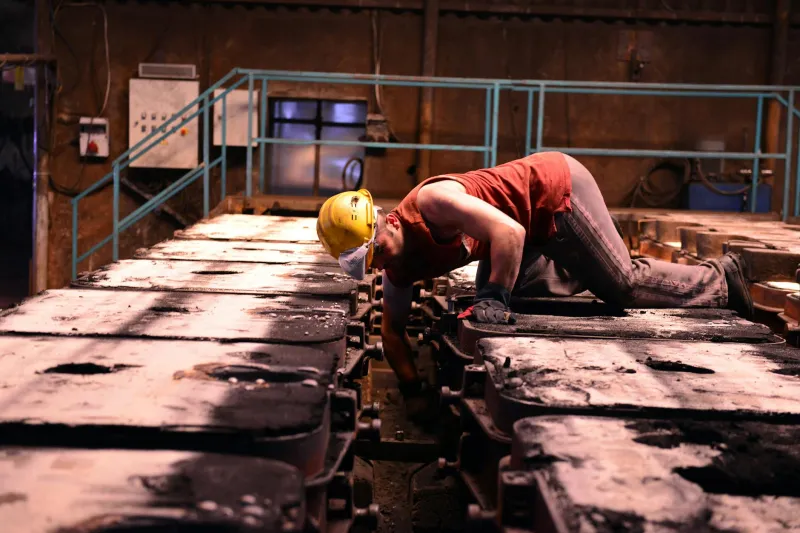
These men didn't have gym memberships, personal trainers, or protein powder subscriptions. They had jobs that demanded physical strength, and their bodies adapted accordingly. A steelworker's forearms could crush walnuts. A dock worker's back could deadlift modern powerlifting records. A farmer's cardiovascular system could outlast today's CrossFit enthusiasts.
When Work Was the Workout
The physical demands of early 20th-century labor created accidental athletes across America. Coal miners developed the core strength of Olympic gymnasts from swinging pickaxes in cramped spaces. Construction workers built the functional fitness that modern programs spend years trying to recreate. Even household chores required genuine physical effort – hauling water, chopping firewood, beating rugs, and scrubbing clothes by hand.
Women weren't exempt from this incidental fitness. Before electric appliances, running a household meant hours of physical labor. Washing clothes involved lifting heavy, waterlogged fabrics. Cooking required hauling cast-iron pots and maintaining wood-burning stoves. Cleaning meant moving furniture, beating carpets, and scrubbing floors on hands and knees.
The result? A population that was genuinely strong without ever thinking about it. Medical records from the 1920s and 1930s show Americans with remarkable physical capabilities. Grip strength measurements from that era consistently exceed modern averages by 20-30%. Cardiovascular endurance, measured through occupational health studies, revealed a population that could work physically demanding jobs for decades without the chronic fatigue that plagues modern workers.
The Great Physical Recession
Something fundamental shifted in the decades following World War II. Automation began replacing human muscle power across virtually every industry. Elevators eliminated stair climbing. Cars reduced walking. Power tools replaced hand tools. Office work expanded while manufacturing jobs disappeared overseas.
By the 1970s, the average American's daily caloric expenditure had dropped by nearly 1,000 calories compared to the 1920s. We'd successfully engineered physical effort out of daily life – and our bodies showed it.
This wasn't just about weight gain, though obesity rates did begin their steady climb. Americans started experiencing a new category of health problems: weakness-related injuries. Lower back pain exploded as desk jobs proliferated. Repetitive stress injuries emerged from the unnatural postures of computer work. "Weekend warrior" syndrome appeared as sedentary workers injured themselves attempting occasional physical activity.
The Birth of the Fitness Industry
The gym industry emerged to solve a problem that previous generations never had: how to be strong when your job doesn't require it. The first commercial fitness centers opened in the 1960s, marketing themselves as solutions to the "softness" of modern life.
What followed was the gradual commercialization of human movement. Activities that were once natural byproducts of living – lifting, carrying, walking, climbing – became products to be purchased. Americans began paying monthly fees to simulate the physical demands their grandparents experienced for free.
The irony is striking. A 1940s dock worker possessed the functional strength that modern fitness enthusiasts spend years and thousands of dollars trying to develop. His workout was his paycheck. His gym was his job site. His personal trainer was economic necessity.
The Modern Fitness Paradox
Today, Americans spend over $30 billion annually on gym memberships, fitness equipment, and personal training – more than the entire GDP of many countries. We've created an elaborate industry dedicated to reintroducing physical challenge into lives that have been systematically stripped of it.
Modern fitness culture treats strength as an optional pursuit rather than a natural byproduct of living. We schedule workouts like appointments, compartmentalize physical activity into one-hour sessions, and measure progress through apps rather than through our ability to handle daily tasks.
The contrast is remarkable: your great-grandfather could probably carry you up three flights of stairs without breathing hard, but he'd be baffled by a treadmill. He had the grip strength to open any jar, the back strength to lift any appliance, and the endurance to work physically demanding jobs well into his sixties – all without ever setting foot in a gym.
What We Gained and Lost
The shift away from physically demanding labor brought undeniable benefits. Workplace injuries declined. Life expectancy increased. Careers became less dependent on physical capability and more on mental skills. Women gained access to professions previously closed to them based on artificial strength requirements.
But we also lost something profound: the integration of physical capability into daily life. Strength became a luxury pursuit rather than a practical necessity. Fitness became something we had to consciously choose rather than something that naturally developed through living.
The Echo of Effort
The fitness industry exists because we solved the problem of physical labor so completely that we had to recreate it artificially. We engineered effort out of daily life, then discovered we needed to engineer it back in.
Your great-grandfather's strength wasn't the result of motivation, discipline, or expensive equipment. It was the inevitable outcome of a life that demanded physical capability. He didn't work out – he worked. And in working, he developed a level of functional fitness that modern Americans pay hundreds of dollars a month to approximate.
The question isn't whether this change was good or bad – it's whether we can find ways to reintegrate natural movement into lives that no longer require it. Because somewhere between the coal mine and the cubicle, we forgot that being strong used to be as automatic as breathing.