When Stores Had Bedtimes: How America Shopped Before Everything Stayed Open
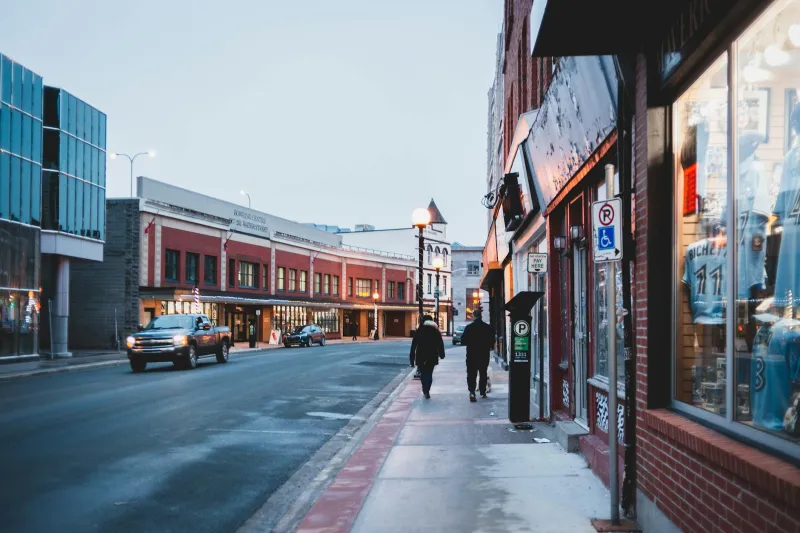
If you needed milk at 7 PM on a Sunday in 1965, you had exactly two options: ask a neighbor or drink your coffee black until Monday morning. American commerce operated on a schedule so rigid it would seem almost primitive today — stores closed at 5 PM sharp, Sundays were sacred, and the idea of midnight grocery runs was as foreign as flying cars.
This wasn't inconvenience. It was how an entire society organized itself around shared rhythms, planned ahead, and built communities that actually knew each other's names.
The Great Shutdown
Every evening at closing time, America essentially powered down. Department stores pulled their metal gates. Gas stations locked their pumps. Even pharmacies — places we now consider essential services — hung "closed" signs and went home for dinner.
Sundays were particularly absolute. Blue laws, rooted in religious tradition but reinforced by labor agreements, kept most retail businesses shuttered. You could buy gas in an emergency, maybe grab a newspaper, but forget about shopping for clothes, groceries, or household goods. Sunday was for church, family dinners, and activities that didn't involve spending money.
This forced a completely different relationship with consumption. Families planned their weeks like military operations. Saturday morning meant stocking up on everything you might need until stores reopened Monday. Running out of essentials wasn't just inconvenient — it was a planning failure that could affect your entire week.
The Art of Strategic Shopping
Without 24-hour convenience, Americans became masters of anticipation. Housewives (and it was mostly housewives doing the household shopping) kept mental inventories that would impress modern supply chain managers. They knew exactly how much milk the family used per week, when the laundry soap would run out, and whether they had enough canned goods to weather unexpected dinner guests.
Shopping lists weren't casual reminders — they were strategic documents. Forgetting something meant either doing without or making a special trip during business hours. Since most stores clustered in downtown areas rather than sprawling across suburbs, shopping was often an all-day expedition that combined errands with social interaction.
Department stores understood this rhythm and embraced it. Shopping was an event, not a chore. Stores offered services that made the experience pleasant: personal shoppers, alterations, gift wrapping, even restaurants where you could have lunch between purchases. They knew they had your attention for a limited window and made the most of it.
When Commerce Had Community
Limited shopping hours created unexpected social benefits. Small business owners weren't chained to their stores seven days a week. They coached Little League, attended town meetings, and knew their customers as neighbors rather than transaction sources.
 Photo: Little League, via res.cloudinary.com
Employees had genuine work-life separation. Retail workers went home at closing time and stayed home. There were no overnight shifts, no weekend obligations for most, no expectation that commerce never slept.
This rhythm also forced communities to be more self-reliant and interconnected. If you ran out of sugar while baking on Sunday, you knocked on a neighbor's door. If your car broke down after hours, you called someone you knew rather than a 24-hour service. These small dependencies created social bonds that extended far beyond commerce.
The Convenience Revolution
The transformation began gradually in the 1970s and accelerated through the 1980s. Convenience stores — originally just gas stations that sold a few basics — expanded their hours and inventory. Supermarkets experimented with late-night hours. Shopping malls, designed around the automobile rather than foot traffic, made extended hours more practical.
By the 1990s, the old rhythm was broken. Walmart's 24-hour Supercenters became symbols of a new America where you could buy a television, groceries, and an oil change at 3 AM. Sunday shopping restrictions fell away as economic arguments overcame religious traditions.
The internet completed the revolution. Today, you can order practically anything at any time and have it delivered within hours. Amazon's promise of two-day delivery has evolved into same-day, and increasingly, same-hour service in major cities.
What We Gained and Lost
The benefits of always-available commerce are obvious. Working parents can shop after bedtime. Emergency needs don't wait for business hours. Shift workers and people with unconventional schedules aren't locked out of normal commerce.
But the old system had advantages we barely remember. Shared downtime created genuine community rhythms. When everything closed on Sunday, families actually spent time together because there was nothing else to do. When stores closed at 5 PM, downtown areas had natural gathering places during business hours and peaceful quiet afterward.
The constraint of limited hours also forced better planning and less impulsive consumption. You couldn't buy whatever you wanted whenever you wanted it, so you thought more carefully about what you actually needed.
The End of Anticipation
Perhaps most significantly, we lost the art of anticipation. When shopping required planning and patience, the act of finally getting something you needed carried more weight. There was satisfaction in successfully navigating the constraints, in having everything you needed when the stores closed.
Today's instant gratification has eliminated that small pleasure. We've gained convenience but lost the rhythms that once gave structure to weekly life. Shopping became available everywhere, all the time, and somehow less special as a result.
The Social Cost of Convenience
The always-open economy also changed the nature of retail work. What were once daytime jobs with evenings and weekends free became round-the-clock responsibilities. Store managers, once pillars of their communities, became shift supervisors managing 24-hour operations.
Small businesses, unable to compete with the extended hours of corporate chains, found themselves either expanding their own hours or losing customers to competitors that never closed. The corner grocery that once knew every customer by name gave way to impersonal convenience stores staffed by rotating shifts.
When everything became available all the time, we stopped planning together as families and communities. The shared rhythm that once synchronized American life — work during business hours, rest when commerce slept — dissolved into individual schedules that rarely overlap.
The next time you grab milk at midnight or order something online at 2 AM, remember that this convenience is historically remarkable. For most of American history, getting what you wanted when you wanted it required either careful planning or friendly neighbors. We've gained efficiency, but we've lost the gentle constraints that once made us better planners and closer communities.