When Neighbors Built Your House: The Lost Art of Community Construction
The Morning the Whole Town Showed Up
Picture this: It's 1920, somewhere in rural Ohio. The Miller family has been preparing for months, stockpiling lumber, gathering nails, and planning the layout for their new home. But they're not hiring contractors or waiting for permits. Instead, they've sent word through the community, and on a crisp Saturday morning, nearly every able-bodied person within ten miles arrives with tools in hand.
This wasn't charity—it was how America built itself, one house at a time.
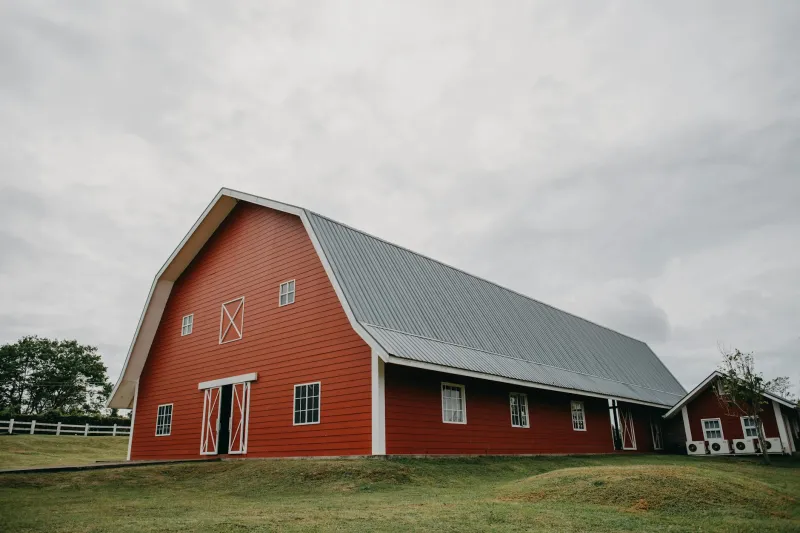
The tradition of barn-raising and house-building bees represented something we've almost entirely lost: the idea that major construction was a community event. Families didn't go into debt to build homes; they gathered friends, neighbors, and extended family for what amounted to a construction party that could frame an entire house in a single day.
When Everyone Was a Builder
In early 20th century America, the average man possessed construction skills that would impress modern contractors. Fathers passed down knowledge of joinery, foundation work, and roofing to their sons as naturally as they taught them to farm or hunt. Women coordinated the massive cooking operations needed to feed dozens of workers, while children learned by watching and helping.
These weren't professional builders—they were farmers, shopkeepers, and laborers who understood that knowing how to construct a solid dwelling was simply part of being an adult American. The tools were simpler but the skills were deeper. A good carpenter could look at a tree and envision the beams it would become, then fell it, mill it, and fit it into place without ever consulting a blueprint.
The results speak for themselves. Drive through any older American town today, and the sturdiest, most beautiful homes are often those built during this era of amateur construction. Houses that have weathered a century of storms, raised multiple generations, and still stand solid while modern construction sometimes struggles to last thirty years.
The Economics of Helping Hands
The financial reality was staggering compared to today's standards. A family could build a substantial home for the cost of materials alone—typically representing a few months' wages rather than multiple years of mortgage payments. Labor was free because everyone understood the reciprocal nature of the system. Help build the Miller house this weekend, and the Millers would be there when you needed to raise yours.
This created a fascinating economic dynamic where housing costs bore no resemblance to today's market. A skilled craftsman earning $20 per week in 1920 could realistically expect to build a family home for perhaps $500 in materials. Compare that to modern construction, where even modest new homes often cost ten times the median annual income.
The community building tradition also meant that construction quality was inherently social. Your neighbors would be living with the results of your workmanship for decades, creating a natural quality control system that no building inspector could match.
What We Traded Away
The decline of community construction coincided with several broader changes in American life. Post-World War II suburbanization scattered extended families across greater distances. Building codes became increasingly complex, requiring specialized knowledge and licensed contractors. Most importantly, the rise of consumer culture made hiring professionals seem more sophisticated than doing the work yourself.
By the 1960s, what had been a normal part of community life began to seem quaint and outdated. Why spend weekends helping neighbors build houses when you could enjoy the new leisure culture of television, shopping, and individual pursuits?
The shift also reflected changing attitudes toward expertise. The mid-20th century marked the beginning of America's love affair with credentialism—the idea that important work should only be done by certified professionals. The notion that ordinary people could build lasting, beautiful homes began to seem not just old-fashioned but irresponsible.
The Modern Construction Reality
Today's home construction process would be unrecognizable to those 1920s community builders. A modern house requires dozens of specialized contractors: foundation specialists, framers, electricians, plumbers, roofers, HVAC technicians, and finishing crews. Each trade requires separate scheduling, coordination, and payment.
The permitting process alone can take months and cost thousands of dollars before a single board is cut. Environmental impact studies, architectural reviews, and zoning compliance have replaced the simple question: "Is this a good place to build a house?"
This professionalization has undoubtedly improved certain aspects of construction. Modern homes are more energy-efficient, have better electrical and plumbing systems, and meet higher safety standards. But they've also become financially inaccessible to the very people who once built America's housing stock with their own hands.
The Skills We Lost
Perhaps most significantly, we've lost the knowledge itself. The average American today can't identify basic building materials, much less understand how to use them. Skills that were once considered fundamental—reading the grain in wood, understanding load distribution, knowing how to make a structure square and level—have become the exclusive domain of professionals.
This knowledge gap creates a dependency that previous generations couldn't have imagined. Simple repairs that a 1920s homeowner would handle without thinking now require service calls and hourly rates that can exceed what those earlier Americans earned in a week.
What Remains
The community construction tradition hasn't disappeared entirely. Habitat for Humanity has revived elements of the barn-raising spirit, organizing volunteers to help build homes for families in need. The maker movement and DIY culture represent a hunger for the hands-on skills our grandparents took for granted.
In some rural areas and intentional communities, the tradition persists in modified forms. Amish communities still practice traditional barn-raising, demonstrating that the old ways remain viable when the community will supports them.
But for most Americans, the idea of building a house with neighbor help seems as foreign as churning butter or shoeing horses. We've gained efficiency and specialization, but lost something harder to quantify: the deep satisfaction of creating shelter through collective effort, and the bonds forged when a community literally builds itself, one house at a time.