One Doctor, One Bag, One Chance: How Emergency Medicine Grew Into Something Unrecognizable
The Night Everything Was Up to One Person
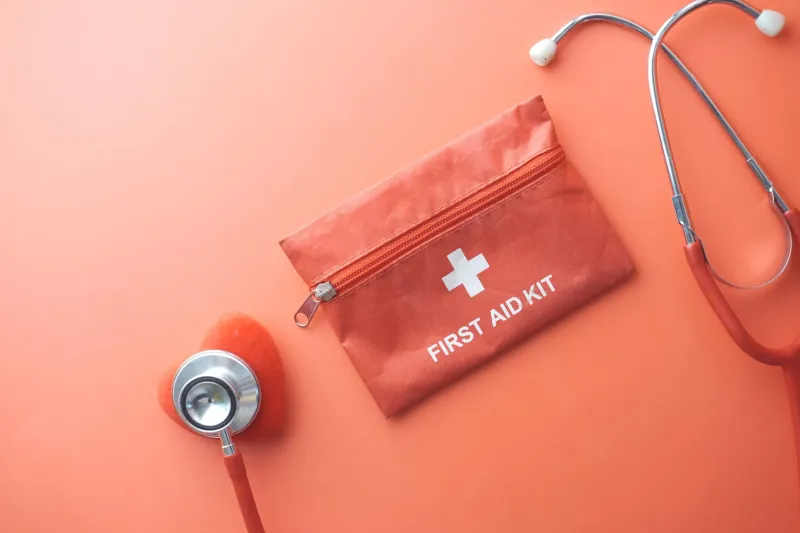
Imagine it's 1971. Your father collapses at the dinner table. Someone calls the family doctor — and if you're lucky, he actually answers. He drives over, maybe with a bag that holds a stethoscope, some injectable medications, and whatever else he's learned to carry after two decades of house calls. He knows your father. He knows his heart history, his medications, his anxiety about hospitals. He makes a call, and that call is everything.
This wasn't heroic folklore. This was emergency medicine in America before emergency medicine was a specialty at all.
For most of the 20th century, urgent medical care was handled by whoever was available — a general practitioner, a surgeon on call, or in rural areas, sometimes a nurse with a phone and a prayer. There were no dedicated emergency departments in the modern sense. Hospitals had receiving areas, but they weren't staffed the way we'd recognize today. The idea that emergency medicine deserved its own board-certified specialists didn't even exist until 1979, when the American Board of Emergency Medicine was officially established.
The shift between then and now isn't just about technology. It's about an entirely different philosophy of what emergency care is supposed to be.
What the Old System Actually Looked Like
In smaller American towns and suburbs through the 1960s and into the early 70s, the emergency system was built on relationships. Your family doctor was your first call. The local hospital was a place where the staff knew the regulars. If you came in with chest pain, there was a reasonable chance someone behind that desk had seen you before.
Care was slower by today's standards, but it was also more continuous. The doctor who treated your broken arm in the ER might follow up with you a week later. There was a thread connecting the emergency to the recovery. That thread ran through a single person who held your whole medical story in their head.
The downsides were real and serious. Diagnostic tools were limited. If you had a stroke, the treatments available were a fraction of what exists now. Trauma care — the kind needed after a serious car accident — was often woefully inadequate. Studies from the era suggest that many deaths from traumatic injuries in the 1960s were preventable by modern standards. The knowledge was incomplete, the equipment was basic, and the specialization simply didn't exist yet.
The Revolution Nobody Noticed Happening
The transformation of emergency medicine happened gradually enough that most Americans didn't register it as a revolution. But it was.
Through the 1970s and 80s, hospitals began building dedicated emergency departments staffed around the clock by physicians trained specifically for acute crisis situations. Paramedics — a role that barely existed before 1970 — began arriving on scenes with defibrillators, IV lines, and protocols developed from actual research. The chain of survival for cardiac arrest, a concept that now saves tens of thousands of lives annually, was built during this period.
By the 1990s, the modern ER was taking shape: triage nurses who sorted patients by severity, trauma bays with crash carts, imaging equipment that could produce results in minutes, and specialists available by phone or in person around the clock. A patient arriving with stroke symptoms today can receive a clot-dissolving medication within hours of onset — a treatment that didn't exist in any practical sense before the mid-1990s.
Survival rates tell the story plainly. Cardiac arrest survival outside a hospital hovered around 5 percent in the early 1970s. In communities with strong emergency response systems today, that number can reach 40 to 50 percent. Trauma mortality dropped dramatically as dedicated trauma centers developed standardized protocols. The modern ER, for all its chaos, is a genuinely extraordinary place to be if your body is failing.
What Got Left Behind
But something changed in the experience of being a patient.
Walk into a busy urban emergency room in 2025 and you will be triaged, assessed, treated, and discharged — possibly without seeing the same provider twice. The nurse who takes your vitals hands you off to the physician assistant who orders your imaging. The radiologist reads your scan remotely from another building. The attending physician reviews the results and makes a decision. Each person is highly trained. Each person knows their lane. And none of them know you.
This compartmentalization is a feature, not a bug — it's how you process hundreds of patients efficiently and safely. But it produces a strange kind of care, one that's mechanically excellent and personally distant. Patients frequently report feeling like they moved through a system rather than received care from a person.
The continuity that once existed — the doctor who treated your emergency and then called to check on you — has largely evaporated. Emergency physicians are not your physicians. They are specialists in crisis management, and when the crisis is resolved, the relationship ends.
A Different Kind of Progress
It's tempting to frame this as a simple trade: we gave up warmth and got survival rates. But that's not quite right either. The old system's warmth was real, but it was also unevenly distributed. It worked best if you were the kind of patient your doctor already knew — which often meant white, middle-class, and locally rooted. The modern ER, for all its impersonality, treats a 3 a.m. arrival the same way it treats a noon arrival. It doesn't know your name, but it also doesn't know your zip code.
What shifted eras here wasn't just medicine. It was the entire philosophy of what emergency care owes you. The old model owed you a relationship. The new model owes you a protocol — and the protocol, on its best days, is a small miracle.
Maybe what we actually need is both. Some emergency systems are experimenting with follow-up calls, care navigators, and connections back to primary care after an ER visit. It's an attempt to rebuild the thread that used to exist naturally.
The bag with the stethoscope and the crash cart represent two different eras of American medicine. We're still figuring out how to carry both.