The Great American Rail Network That Vanished: How We Dismantled the World's Best Transit System
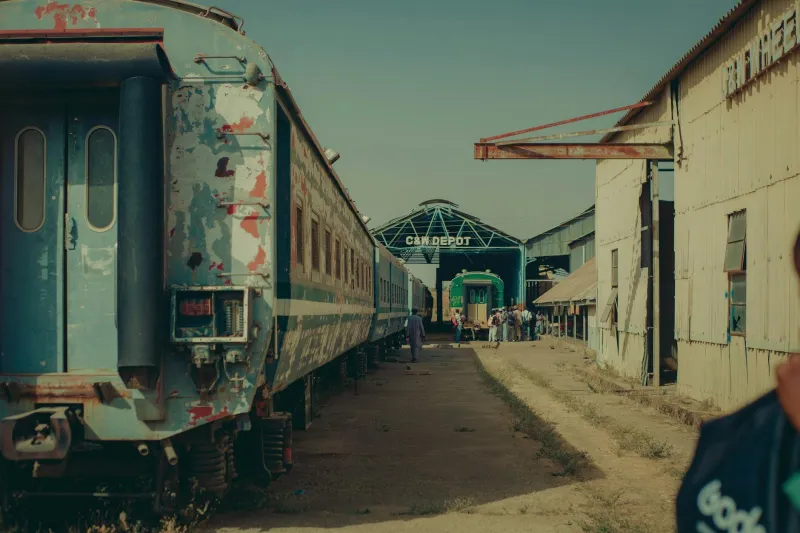
When Every Town Had a Station
Step off a train in Smalltown, Kansas, in 1925, and you'd find yourself at the beating heart of American transportation. The local depot wasn't just a building—it was the connection point that linked every community, no matter how remote, to the rest of the continent. Farmers shipped grain to Chicago, families visited relatives in distant states, and businessmen conducted commerce across thousands of miles, all via an intricate web of steel rails that reached virtually everywhere Americans lived.
This wasn't some romantic fantasy of a simpler time. It was the reality of American transportation for the better part of a century, when the United States operated the most extensive and efficient passenger rail network the world had ever seen.
The Numbers Tell the Story
At its peak in the 1920s, America's rail network stretched across 254,000 miles of track—enough to circle the Earth ten times. Passenger trains served over 20,000 communities, from major cities to farming towns with populations under 1,000. You could board a train in Seattle and step off in Miami, or catch a local line that connected rural counties to regional hubs with the reliability of a modern subway system.
The efficiency was remarkable by any standard. Express trains averaged 60 mph between major cities—competitive with modern highway speeds—while local services maintained schedules measured in minutes, not hours. The 20th Century Limited could whisk passengers from New York to Chicago in 16 hours, a journey that today's Amtrak service covers in 19 hours when it's running on time.
Smaller communities enjoyed service that seems almost magical by contemporary standards. Towns with fewer than 5,000 residents often had multiple daily trains in each direction, connecting them to regional centers and the broader national network. A farmer in rural Iowa could ship his family to San Francisco with less planning than most Americans today need for a cross-country flight.
The Systematic Destruction
What happened next represents one of the most dramatic infrastructure reversals in modern history. Between 1930 and 1970, America methodically dismantled the transportation system that had built its economy and connected its communities.
The decline wasn't accidental—it was actively orchestrated. Federal policy systematically favored automobile and air travel through massive subsidies that made rail service appear uneconomical by comparison. The Interstate Highway System, launched in 1956, received $425 billion in federal funding (in today's dollars) while passenger rail received virtually nothing.
Railroad companies, facing declining passenger revenues due to subsidized competition, began abandoning routes with ruthless efficiency. Between 1958 and 1968, America lost passenger service to over 3,000 communities. Entire regions found themselves cut off from the national rail network almost overnight.
The automobile industry's influence was pervasive but subtle. General Motors, through its subsidiary National City Lines, systematically purchased and dismantled electric streetcar systems in dozens of American cities during the 1930s and 1940s. The company was eventually convicted of conspiracy, but by then the damage was irreversible.
What We Lost in Translation
The human cost of this transformation becomes clear when you consider what rail travel once provided. Trains served communities that airlines never would—places too small for airports but too important to isolate. They connected rural America to urban opportunities without requiring car ownership, making geographic mobility accessible to working-class families.
For elderly Americans, trains provided independence that today's transportation system simply doesn't offer. A 75-year-old farmer could visit grandchildren in the city without depending on others for rides or navigating highway traffic. That option vanished with the local depot.
The environmental implications were staggering, though few recognized them at the time. A single passenger train could transport 400 people using less energy than 40 automobiles, while producing a fraction of the pollution. America chose the less efficient option just as environmental consciousness was beginning to emerge.
The European Contrast
While America was tearing up its rails, European nations were modernizing theirs. Countries that had suffered devastating bombing during World War II rebuilt their rail networks with improved technology and expanded service. Today, a traveler in Germany or France enjoys passenger rail options that surpass what Americans had in the 1920s.
The contrast is particularly striking in rural areas. Small German towns that would be considered remote by American standards often have hourly train service to major cities. Swiss mountain villages accessible only by cog railway maintain better transit connections than many American suburbs.
Even developing nations learned from America's mistake. Countries building their transportation infrastructure from scratch in the post-war era chose rail-centric models that now provide superior mobility to their citizens.
The Modern Consequences
Today's America presents the paradox of a wealthy nation with transportation options that would embarrass developing countries. Vast regions of the country—including much of the Mountain West, the rural South, and the Great Plains—have no passenger rail service whatsoever. Amtrak's skeletal network serves just 500 communities, compared to the 20,000 that once enjoyed rail access.
The economic impact extends beyond transportation. Communities that lost rail service often lost their economic vitality, as businesses relocated to places with better connectivity. Small-town America's decline correlates closely with the abandonment of passenger rail service.
For millions of Americans, geographic mobility now requires car ownership—a barrier that previous generations never faced. The working poor, elderly, and disabled find themselves effectively stranded in communities with no public transportation options.
The Climate Reckoning
As climate change transforms from future threat to present reality, America's transportation choices look increasingly shortsighted. Rail travel produces 76% less carbon pollution per passenger mile than automobile travel, and 84% less than flying. The infrastructure we dismantled would have been invaluable for reducing transportation emissions.
Other nations are expanding rail service as a climate strategy. China has built 23,000 miles of high-speed rail since 2007—nearly matching America's entire current passenger rail network. European countries are adding night train routes to replace short-haul flights.
America, meanwhile, struggles to build even modest rail improvements. California's high-speed rail project, once scheduled for completion in 2020, has become a symbol of the country's infrastructure dysfunction.
Signs of Revival
Despite decades of neglect, passenger rail is showing signs of life in America. Amtrak ridership reached record levels before the pandemic, particularly on routes serving major metropolitan areas. States are investing in regional rail services that echo the local networks of the past.
The infrastructure bill signed in 2021 included $66 billion for rail improvements—the largest federal rail investment since the Interstate Highway System. While modest compared to the scale of what was lost, it represents a recognition that America's transportation monoculture has failed.
Younger Americans, in particular, show enthusiasm for rail travel that surprises transportation planners. They're rediscovering what their great-grandparents knew: trains offer a civilized way to travel that highways and airports simply can't match.
What We Might Rebuild
The infrastructure for a comprehensive rail revival still exists in fragmentary form. Many abandoned rail corridors remain intact, waiting for new tracks. Depot buildings in hundreds of communities survive as restaurants, museums, or community centers—monuments to what once was and reminders of what could be again.
The question isn't whether America can rebuild its rail network—it's whether we'll choose to do so before the climate crisis makes the decision for us. The technology exists, the benefits are clear, and other nations prove it's possible.
What's missing is the political will to admit that dismantling the world's best passenger rail system was a mistake worth correcting.