The End of Shared Secrets: How America Abandoned Community for Privacy
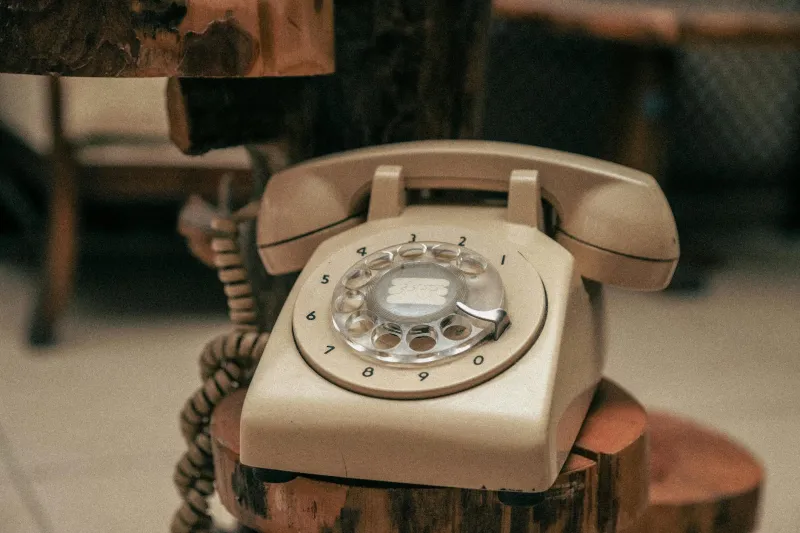
In 1950, when Martha Henderson picked up her telephone in rural Ohio, she first had to listen for voices. Her family shared a "party line" with five other households, and anyone could listen in on anyone else's conversation. Privacy wasn't a technical feature — it was a social courtesy that wasn't always observed.
This wasn't considered a violation. It was just how things worked in an America where sharing wasn't a choice but a necessity, where community happened because individual isolation was practically impossible.
When Your Business Was Everyone's Business
The party line telephone system, which served rural America well into the 1960s, perfectly captured how differently Americans once lived. Multiple families shared a single phone line, each with their own distinctive ring pattern — two long, one short might be yours, while three short rings belonged to the Johnsons down the road.
Everyone could hear everyone else's phone ring. More importantly, anyone could quietly lift their receiver and listen to ongoing conversations. While eavesdropping was officially discouraged, it was practically inevitable. Important news — deaths, births, emergencies — spread through party lines faster than through any newspaper.
This forced a completely different relationship with information. You couldn't assume your conversations were private, so you learned to speak accordingly. But you also learned things about your neighbors that helped you help them. If you overheard that the Smiths' cow was sick, you might stop by with medicine. If someone mentioned needing a ride to town, you could offer.
The Sharing Economy That Actually Shared
Beyond telephone lines, mid-century Americans shared physical resources in ways that would seem impossible today. Tool lending was universal and unstructured — you borrowed your neighbor's lawn mower without formal arrangements, returned it when finished, and expected the same courtesy when you needed something.
Cars were frequently shared within extended families or close neighborhoods. Not because people couldn't afford their own, but because one car per household was often sufficient when combined with community cooperation. If your car was in the shop, asking to borrow a neighbor's wasn't presumptuous — it was normal.
Even living spaces overlapped more. Relatives stayed for extended periods without invitation. Neighbors walked into each other's kitchens without knocking. Children moved freely between houses, eating meals wherever they happened to be when dinnertime arrived.
Bathrooms in many homes were shared not just within families but sometimes with boarders or extended relatives who might live with a family for months or years. The idea of everyone having their own private bathroom was a luxury, not an expectation.
The Architecture of Community
Housing itself reinforced this shared existence. Front porches were designed for interaction, not privacy. You sat outside in the evening specifically to see and be seen by neighbors walking by. Houses were built closer together, with thinner walls and larger windows that made privacy difficult even when desired.
Many neighborhoods had shared facilities: community gardens, shared laundry areas, or common recreational spaces. Children played in groups that naturally included multiple families' kids, supervised collectively by whichever adults were around.
This physical closeness created social obligations. You knew when your neighbors were struggling because you could see and hear their daily lives. You also knew when they were doing well, when they had visitors, when they stayed up late or rose early. This transparency created both support systems and social pressure.
The Great Privatization
The shift toward privacy began with prosperity and technology. As Americans became wealthier, they could afford individual versions of things they'd previously shared. Private phone lines replaced party lines. Families bought their own tools instead of borrowing. Multiple cars per household became standard.
Suburban development accelerated this trend. New neighborhoods were designed around privacy: larger lots, bigger houses set back from streets, attached garages that let you enter your home without interacting with neighbors. Front porches gave way to private back decks.
Air conditioning played an unexpected role. When homes became comfortable year-round, people stopped sitting outside in the evenings. The casual interactions that happened on front porches or while hanging laundry simply disappeared.
Television completed the indoor migration. Instead of gathering in community spaces for entertainment, families stayed home with their individual sets. Shared experiences became private consumption.
The Digital Isolation Chamber
Today's technology has pushed privacy to extremes that would have been inconceivable in the party line era. We carry devices that can connect us to anyone in the world, yet we use them primarily to avoid interacting with people physically near us.
Streaming services mean families don't even watch the same shows together. Everyone has their own Netflix account, their own playlist, their own social media feed customized to their individual preferences. We've achieved perfect personalization at the cost of shared experience.
Modern homes are designed as private retreats. Home theaters, game rooms, and multiple televisions ensure family members can pursue individual entertainment without compromise. The idea of sharing a single television — and therefore negotiating what to watch — seems quaint.
Even our cars have become isolation pods. We listen to personalized podcasts through individual earbuds, navigate using private GPS systems, and avoid the casual interactions that once happened when asking for directions or sharing rides.
What Privacy Cost Us
The benefits of privacy are real and significant. We can have sensitive conversations without neighbors listening in. We can live according to our own schedules without community scrutiny. We can make personal choices without social pressure.
But we've also lost the informal support systems that came with shared transparency. When everyone knew everyone else's business, help appeared without being asked. If you were struggling, neighbors intervened before crisis hit. If you were celebrating, the whole community participated.
The party line system, for all its lack of privacy, created what sociologists call "social capital" — the web of relationships and obligations that help communities function. When Mrs. Johnson heard that the Hendersons' child was sick, she might show up with soup. When farmers overheard discussions about weather or crop prices, they shared information that helped everyone.
The Loneliness of Individual Freedom
Modern Americans report unprecedented levels of loneliness despite being more connected than ever through technology. We have the freedom to live exactly as we choose, but we've lost the gentle constraints that once forced us into regular contact with neighbors.
The shared inconveniences of the past — waiting for the party line to clear, coordinating tool borrowing, negotiating shared transportation — created opportunities for relationship building that our efficient, private systems have eliminated.
We've gained control over our information and our space, but we've lost the casual intimacy that came from sharing both. The neighbors who once knew when you needed help because they could hear your troubles through thin walls have been replaced by social networks that know our data but not our daily struggles.
Finding Balance in an Isolated World
The party line era wasn't a golden age — it had real problems with social pressure, conformity, and lack of individual freedom. But it offers lessons about the relationship between privacy and community that we're still learning.
Perhaps the challenge isn't choosing between privacy and connection, but finding ways to share selectively and intentionally. Some neighborhoods are experimenting with tool libraries, community gardens, and shared spaces that recreate some benefits of the old sharing economy without sacrificing individual autonomy.
The next time you enjoy a private phone conversation or stream your own personalized entertainment, remember that these luxuries would have seemed miraculous to Americans who shared party lines and gathered around single radio sets. We've gained unprecedented individual freedom, but we're still figuring out what that cost us in terms of community connection.