It Once Took a Month to Drive From New York to LA. Here's the Wild Reason Why.
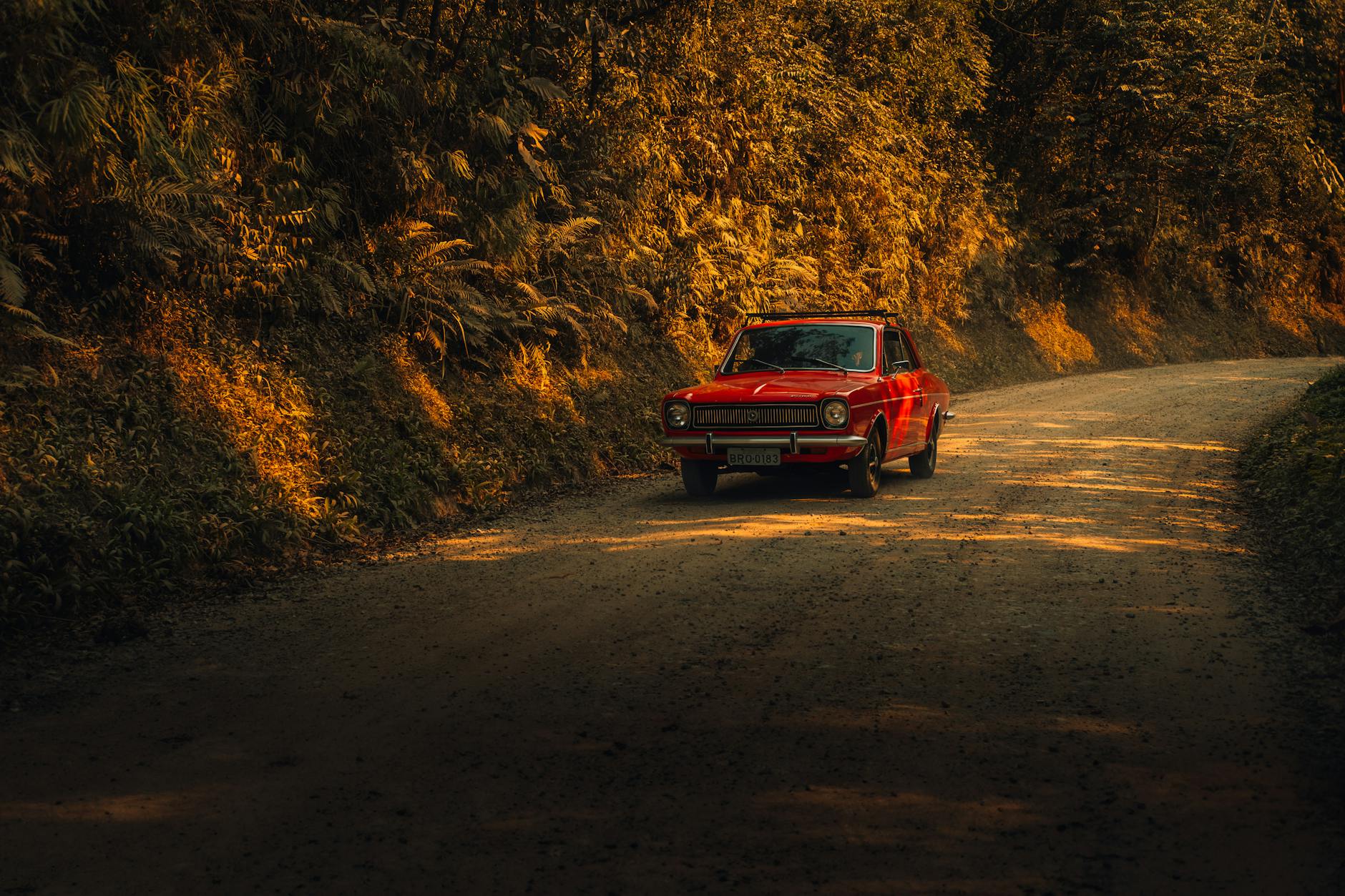
It Once Took a Month to Drive From New York to LA. Here's the Wild Reason Why.
Picture this: you pack up the car, point it west, and set off for Los Angeles. Today, that trip takes most drivers around 40 hours behind the wheel — four or five days if you're taking it easy, stopping to sleep, grabbing drive-through coffee somewhere in Oklahoma. It feels long. It feels like a commitment. But compared to what that same journey looked like a hundred years ago, it's practically a lunch break.
In the early 1920s, driving from New York to Los Angeles wasn't a road trip. It was a small-scale expedition — the kind of thing that required serious planning, mechanical know-how, spare parts, and a genuine willingness to get stranded in the middle of nowhere for days at a time. The average crossing took somewhere between 25 and 35 days. Some travelers took longer. And the roads — well, calling them "roads" is being generous.
What the Road Actually Looked Like
The U.S. Interstate Highway System didn't exist until 1956, when President Eisenhower signed the Federal Aid Highway Act into law. Before that, cross-country drivers were threading together a patchwork of local roads, farm tracks, and loosely connected routes that varied wildly in quality depending on the state, the county, and sometimes just the weather that week.
The famous Lincoln Highway — the first road marketed as a coast-to-coast route — was established in 1913, but "established" didn't mean paved. For much of its length, it was gravel, dirt, or mud. In wet conditions, cars sank axle-deep. In dry conditions, dust clouds made visibility nearly impossible. Drivers in the 1920s weren't just navigating — they were problem-solving constantly.
Then there were the cars themselves. Early automobiles required hand-cranking to start, overheated regularly, and blew tires at a rate modern drivers can barely imagine. A traveler crossing the country in 1921 might expect five to ten flat tires over the journey. Carrying spare inner tubes wasn't optional — it was survival planning.
Gas stations were sparse outside of major cities. Drivers carried extra fuel cans. Bridges over rivers were inconsistent — sometimes you forded the water directly. And if your car broke down in a rural stretch of Nevada or New Mexico? You waited. For whoever happened to come along next.
The Numbers That Put It in Perspective
A 1903 account of the first documented coast-to-coast automobile trip — driven by Dr. Horatio Nelson Jackson — logged the journey at 63 days from San Francisco to New York. That was considered a remarkable achievement at the time. By the 1920s, experienced drivers were getting it down to three or four weeks, but that still meant averaging fewer than 150 miles per day on a good run.
Compare that to today's interstate system, which spans over 48,000 miles of controlled-access highway. A driver maintaining 75 mph on I-40 — the modern route that roughly mirrors old Route 66 — can cover 600 miles in a single day without breaking a sweat. The same distance that once took a month now fits inside a long weekend.
What Actually Changed Everything
The Interstate Highway System is the obvious answer, but the transformation happened in layers. The Federal Highway Act of 1921 started pushing states to build and maintain actual paved roads. Route 66 opened in 1926, giving cross-country travelers a more reliable (if still imperfect) corridor. By the late 1930s, improved road surfaces and more reliable vehicles had cut the average crossing to around two weeks.
The real leap came after World War II. Eisenhower had seen Germany's Autobahn system during the war and came home convinced America needed something similar — not just for commerce, but for national defense. The interstates that followed weren't just faster. They were engineered for speed, with gentle curves, controlled access points, and consistent surfaces that made 65 mph feel effortless.
Cars evolved in lockstep. Reliable starters replaced hand cranks. Tubeless tires became standard. Air conditioning made desert crossings survivable in summer. And eventually, GPS turned navigation from a skill into an afterthought.
A Freedom That's Newer Than It Feels
There's something worth sitting with here. The open-road freedom that feels so quintessentially American — the idea that you can just go, that the whole country is accessible to anyone with a car and a tank of gas — is actually a pretty recent invention. Your great-grandparents didn't have it. Your grandparents barely had it.
The version of the road trip that exists today, where a family can realistically drive from New York to Disneyland in three days, is a product of about 70 years of infrastructure investment, automotive engineering, and policy decisions that most of us never think about when we're merging onto the highway.
Next time a long drive feels like a grind, it's worth remembering: someone in 1923 would have traded almost anything to have your problems.