From Butcher Block to Big Box: How America Stopped Knowing Where Its Food Came From
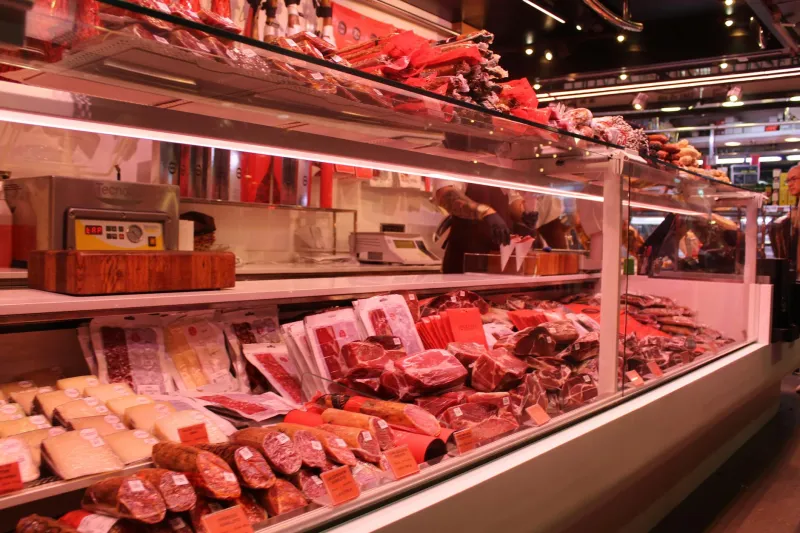
Mary Sullivan's morning routine in 1920s Chicago was a neighborhood tour. First stop: Murphy's butcher shop, where she'd examine cuts of beef from cattle that grazed 50 miles outside the city. Next: the Italian grocer for vegetables that arrived that morning from local farms. Finally: the German bakery for bread baked before dawn in the ovens out back.
By evening, Mary had spoken with four different people who could tell her exactly where her family's dinner originated. She knew which farm grew her potatoes, which dairy supplied her milk, and that the chicken she bought for Sunday dinner had been alive and pecking around a coop just days earlier.
Today, Mary's great-granddaughter Michelle pushes a cart through a 40,000-square-foot supermarket, selecting from 50,000 different products sourced from six continents. The strawberries in her cart traveled 2,000 miles from California. The chicken came from a processing plant she couldn't locate on a map. The "fresh" fish was frozen at sea three weeks ago.
Michelle's shopping trip is faster, cheaper, and more convenient than her great-grandmother's daily food hunt. But somewhere between Murphy's butcher block and today's endless supermarket aisles, America lost something fundamental: any real connection to what it was actually eating.
The Neighborhood Food Web
Before supermarkets, food shopping was inherently local and personal. Cities were dotted with specialized shops: butchers, bakers, fishmongers, green grocers, and dairy stores. Each proprietor was an expert in their domain, able to tell customers exactly what they were buying and where it came from.
The butcher knew which farms raised the best beef and could age steaks to perfection. The baker mixed flour from regional mills and adjusted recipes based on seasonal wheat variations. The fishmonger understood tides and seasons, knowing when to expect the best catch from local waters.
This system created natural quality control. Shopkeepers staked their reputations on their products. A bad piece of meat or spoiled milk would quickly destroy a business that depended on neighborhood loyalty. Customers developed relationships with vendors, who would save the best cuts for regular patrons or suggest seasonal specialties.
The Seasonal Reality
Pre-supermarket Americans ate within nature's calendar. Strawberries appeared in June and disappeared by July. Apples were harvested in fall and stored through winter. Fresh corn meant summer; preserved corn meant surviving until next summer.
This seasonality shaped both menus and expectations. Families planned meals around what was actually available, not what they felt like eating. A January strawberry wasn't just expensive — it was impossible. The idea of Chilean grapes in American markets during winter would have seemed like science fiction.
Preservation was a neighborhood skill. Local butchers smoked their own hams and made sausages from traditional recipes. Grocers pickled vegetables and cured olives. Bakeries specialized in breads that would keep for days without refrigeration. Every shop was part delicatessen, part preservation laboratory.
The Refrigeration Revolution
The transformation began with ice, then accelerated with electricity. Home refrigerators, rare in 1920, became standard by 1950. Suddenly, families could store perishable food for days instead of hours. The daily shopping routine that had connected Americans to their food sources became unnecessary.
Refrigerated trucks and railcars meant food could travel vast distances while staying "fresh." California lettuce could reach New York, Florida oranges could supply Minnesota, and Midwestern beef could feed the entire country. The concept of "local" food became quaint rather than practical.
Supermarkets capitalized on these changes by offering one-stop shopping for everything a family needed. Instead of visiting four or five specialized shops, customers could find meat, produce, dairy, and packaged goods under one roof. The efficiency was undeniable, but it came with hidden costs.
The Rise of Industrial Agriculture
As supermarkets grew, they needed suppliers who could provide consistent quality and quantity year-round. Small, local farms couldn't meet these demands. Industrial agriculture filled the gap, specializing in crops that could be grown at massive scale, shipped long distances, and stored for extended periods.
The results transformed American agriculture. Tomatoes were bred for shipping durability rather than flavor. Chickens were raised in controlled environments that maximized growth speed. Cattle were moved from pastures to feedlots where their diets could be optimized for rapid weight gain.
This industrialization made food cheaper and more consistent, but it also created distance — both physical and psychological — between consumers and their food sources. The farmer who grew your vegetables became an abstraction. The conditions under which your meat was raised became invisible.
The Convenience Trade-Off
Modern supermarkets offer conveniences that would have amazed Mary Sullivan. Strawberries in December, fresh fish 1,000 miles from the ocean, and produce sections that look like botanical gardens. The average American supermarket stocks foods from dozens of countries, making the world's cuisines available in a single shopping trip.
But convenience came with costs that weren't immediately obvious. Food lost flavor as varieties were selected for shipping durability rather than taste. Nutrition declined as produce traveled for days or weeks before reaching consumers. The knowledge base that connected Americans to their food sources gradually disappeared.
Today's shoppers often can't identify basic vegetables, don't know which foods are naturally seasonal, and have no idea how their meat was raised or processed. The expertise once held by neighborhood specialists has been replaced by marketing departments and package labels.
The Disconnection Consequences
This disconnection from food sources has contributed to several modern problems. Americans struggle with nutrition partly because they don't understand what they're actually eating. Processed foods hide their ingredients behind scientific names and marketing claims that would have puzzled earlier generations.
The environmental costs of our food system remain largely invisible to consumers. The carbon footprint of flying produce across continents, the water usage of industrial agriculture, and the waste generated by excessive packaging are abstractions rather than visible consequences.
Meanwhile, foodborne illness outbreaks affect thousands because centralized processing means contamination can spread across multiple states. When Mary Sullivan bought meat from Murphy's butcher, a problem affected one neighborhood. Today's food system can turn a single contaminated facility into a national health crisis.
The Return to Origins
Interestingly, some Americans are rediscovering what their great-grandparents took for granted. Farmers markets, community-supported agriculture, and farm-to-table restaurants represent attempts to rebuild connections between consumers and food sources.
These movements remain niche, serving customers willing to pay premium prices for the knowledge and quality that were once standard. But they demonstrate persistent hunger for what was lost: understanding where food comes from, how it's produced, and what makes it truly nourishing.
The challenge isn't returning to 1920s shopping patterns — few Americans have time for daily trips to multiple specialized shops. Instead, it's finding ways to combine modern convenience with traditional knowledge, creating food systems that are both efficient and transparent.
Mary Sullivan's neighborhood food web wasn't perfect — it was labor-intensive, seasonal, and sometimes expensive. But it connected people to their sustenance in ways that nourished more than just their bodies. In our rush toward convenience, we might have left something essential back at Murphy's butcher block.